

- Russia hits Ukraine with Oreshnik hypersonic missile: Why it matters – 10.01.2026
Russia confirmed that it fired the hypersonic, nuclear-capable Oreshnik missile at the western Ukrainian city of Lviv, close to the Polish border, as part of broader strikes on Ukraine’s energy infrastructure and defense industry; Moscow said the attack was retaliation for an alleged drone strike on President Putin’s residence in Novgorod in December 2025, a claim denied by both Kyiv and Washington, while Ukraine reported deaths and injuries in Kyiv. The Oreshnik had previously been used only once in November 2024 in what was described as a limited test strike, and this time it may have been equipped with explosive warheads; the fact that the strike took place near a NATO member state has made it politically and symbolically significant, prompting Western countries to describe it as escalatory. The development comes as the war approaches its fifth year and peace talks remain stalled, with no agreement in sight especially on territorial issues, and analysts argue that the attack reflects the broader deadlock in negotiations rather than signalling any imminent breakthrough.
- Trump administration officials to meet with Danish officials about Greenland on Wednesday, sources say – 11.01.2026
The U.S. administration is preparing to hold talks with Danish officials about Greenland after President Donald Trump reiterated his desire to purchase the island and even raised the possibility of using military force, arguing that this is necessary for U.S. security, while both Democratic and Republican figures in Congress have voiced opposition to any such military action. The increasingly harsh rhetoric has further strained already tense relations with European allies, with some diplomats warning that this could become a critical breaking point for NATO. The Danish and Greenland authorities have stressed that the island has been part of the Kingdom of Denmark for centuries and that the people of Greenland do not want to become part of the United States; Denmark’s prime minister has said that any U.S. military move would effectively mean the end of NATO, and officials have warned that such a scenario would have serious consequences for the alliance and transatlantic relations.
- Sweden to invest $1.6 billion in air defence systems – 11.01.2026
The Swedish government announced that it will spend 15 billion Swedish crowns (about $1.6 billion) to strengthen its air defence, primarily aimed at protecting civilians and civilian infrastructure; while Sweden, like many European countries, has increased defence spending since Russia’s invasion of Ukraine, its large territory has remained vulnerable to aerial threats, and Defence Minister Pål Jonson said the war in Ukraine has clearly shown the importance of having a strong and resilient air defence, adding that short-range systems will be purchased to protect cities, bridges, power plants and other critical infrastructure. Meanwhile, Prime Minister Ulf Kristersson criticised the U.S. administration’s “threatening rhetoric” toward Greenland and Denmark, saying that the United States should appreciate Denmark as a loyal ally.
- UK, Germany discuss Nato forces in Greenland after Trump asks US special forces to plan invasion – 11.01.2026
Some European countries, led by the United Kingdom and Germany, are discussing ways to strengthen NATO’s military presence in Greenland after U.S. President Donald Trump said the island should belong to the United States and reports emerged that he had asked for preparations for a possible military operation; according to Bloomberg, Germany is considering proposing a joint NATO mission for the Arctic in order to underline that security in the region is a shared allied responsibility. The talks are linked to Greenland’s growing strategic importance due to its location, emerging sea routes caused by climate change and increasing great-power competition, while Denmark, which is responsible for the island’s defence, has already announced plans to increase investment in Arctic security. Trump’s remarks have raised concerns in Europe and within the U.S. defence establishment about alliance unity and respect for sovereignty, and European officials stress that Arctic security challenges should be addressed through existing NATO structures and multilateral cooperation rather than through unilateral actions.
- One person dead and 300 buildings destroyed in Australia bushfires – 11.01.2026
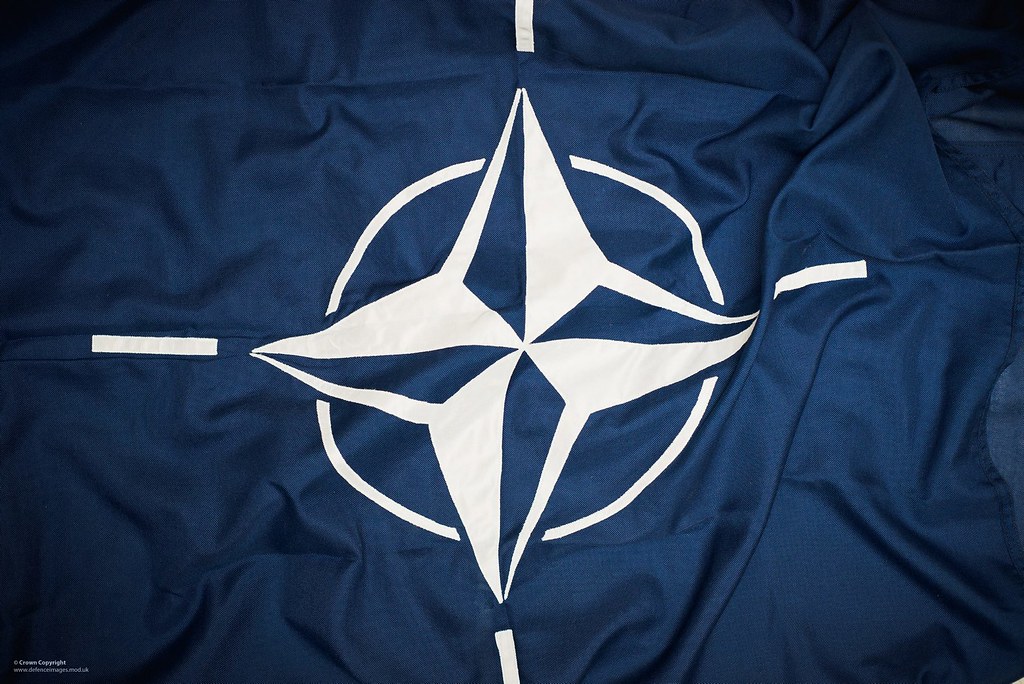
Bushfires in south-east Australia, mainly in the state of Victoria and partly in New South Wales, have killed one person and destroyed about 300 properties, with an area almost twice the size of Greater London burned; a state of emergency has been declared in Victoria as thousands of firefighters and more than 70 aircraft continue to fight the fires and evacuations have been ordered in several communities. Authorities say the blazes, fuelled by hot, dry and windy conditions, could last for weeks and have already burned about 350,000 hectares, seriously affecting air quality in some areas, and describe them as the worst in the region since the 2019–2020 fires, while scientists note that although individual fires are hard to directly attribute to climate change, such extreme conditions are becoming more frequent.
- Deaths from Iran protests reach more than 500, rights group says – 12.01.2026
Unrest in Iran has led to the deaths of over 500 people, according to U.S.-based rights group HRANA, with more than 10,600 arrests reported amid protests that began on December 28 over rising prices and expanded into broader opposition to the clerical government; as President Donald Trump threatened possible U.S. intervention and discussed options including military action, cyberattacks, sanctions, and support for opposition groups, Iranian authorities warned against foreign interference and intensified a crackdown, while also blaming the U.S. and Israel for fomenting unrest and calling for nationwide rallies. Demonstrations have been met with violent responses, and internet blackouts have hampered reporting, though footage from Tehran and other cities shows large crowds, fires, and significant property damage. Iranian leaders characterized protesters as “rioters and terrorists,” while international reactions included concern from the U.N., and some U.S. and Israeli officials monitored potential responses. Protests have drawn limited support abroad, including demonstrations in the U.S., and analysts suggest that while unrest challenges the government, it is unlikely to topple the clerical establishment, which remains cohesive despite the ongoing crisis.
- Japan PM Takaichi may call early election, coalition partner says – 12.01.2026
Japanese Prime Minister Sanae Takaichi, the country’s first female leader, may call an early general election as soon as February, according to statements from coalition partner leaders and media reports, marking her first test with voters since taking office in October; the move comes amid high public approval for Takaichi, who has taken a firm stance on China, sparking diplomatic tensions, and is pushing a $783 billion budget including her flagship spending programs to boost the economy. While Takaichi has emphasized implementing stimulus measures to cushion inflation, opposition figures and analysts warn that a February election could delay budget approval and complicate fiscal planning. Preparations for a possible early vote are reportedly underway, and experts note that trade tensions with China, particularly over rare earth exports and Taiwan-related disputes, could further affect Japan’s export-dependent economy. A strong election result would strengthen Takaichi’s position in her coalition, which currently holds a narrow majority in the lower house but is in the minority in the upper house, while her government navigates both domestic economic challenges and international diplomatic pressures.
- EU may need 100,000-strong army, says defense commissioner – 12.01.2026
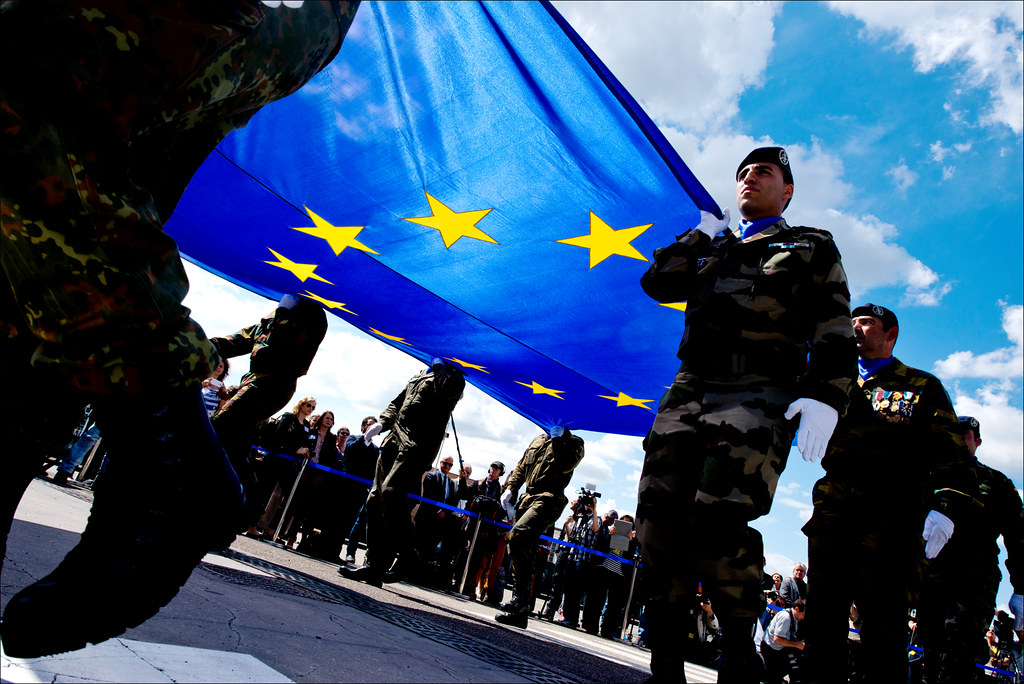
European Union Defense Commissioner Andrius Kubilius has called for a major reform of the EU’s defense structure, proposing the creation of a standing European military force of 100,000 troops and the establishment of a European Security Council to improve political decision-making on defense, including the United Kingdom as a permanent member. Speaking at a Swedish security conference, Kubilius argued that Europe’s defense readiness depends on increased investment in production capacity, effective institutions, and the political will to deter or fight if necessary, and warned that simply increasing funding for existing national forces is insufficient. He emphasized the need for Europe to act collectively rather than as a collection of separate national armies and suggested that a smaller council of key and rotational members, including EU leadership, could enable faster and more coordinated decisions on critical defense matters.

- https://www.aljazeera.com/news/2026/1/10/russia-hits-ukraine-with-oreshnik-hypersonic-missile-why-it-matters
- https://www.cbsnews.com/news/trump-greenland-meeting-danish-officials/
- https://www.reuters.com/business/aerospace-defense/sweden-invest-16-billion-air-defence-systems-2026-01-11/
- https://www.firstpost.com/world/uk-germany-discuss-nato-forces-in-greenland-after-trump-asks-us-special-forces-to-plan-invasion-13967697.html
- https://www.bbc.com/news/articles/c75xdg2p36lo
- https://www.reuters.com/business/media-telecom/confronting-protests-iran-vows-strike-back-if-us-attacks-2026-01-11/
- https://www.reuters.com/business/media-telecom/japans-coalition-partner-head-signals-snap-election-may-be-nearing-2026-01-11/
- https://www.politico.eu/article/eu-needs-100000-strong-army-defense-commissioner-andrius-kubilius-military-overhaul/

Leave a comment