
- Turkey set to host COP31 after reaching compromise with Australia – 20.11.2025
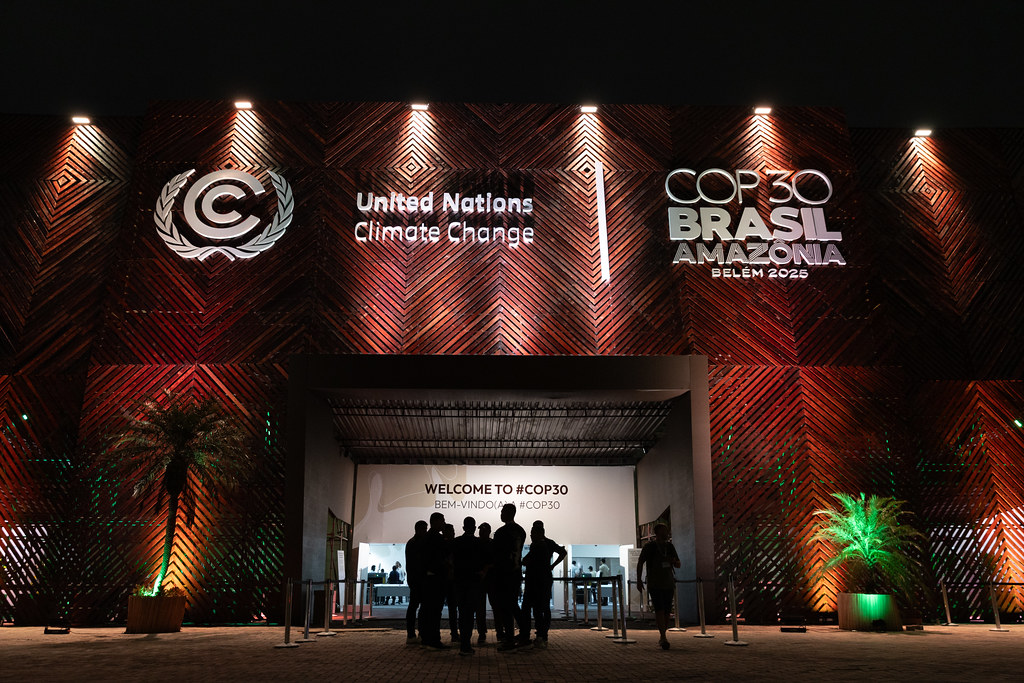
Australia has withdrawn its bid to host COP31, clearing the way for Turkey to hold the 2026 climate summit in Antalya, following an unusual compromise reached during negotiations at COP30 in Belém. Under UN rotational rules, Australia and Turkey both had claims to host the event, and prolonged disagreement risked sending the meeting to Bonn by default. Australia agreed to back Turkey’s candidacy in exchange for its climate minister, Chris Bowen, serving as COP31 president a rare arrangement in which the summit’s president and host country differ. The deal also includes holding the pre-COP meeting on a Pacific island, reflecting Australia’s emphasis on regional climate concerns. While Australian leaders described the outcome as positive, several Pacific states expressed disappointment, having supported Australia’s original bid. The agreement, though unexpected, is likely to be ratified by the more than 190 countries at COP30, easing concerns over a potential leadership vacuum and ensuring the summit proceeds with organisational clarity.
- COP30 Climate Summit Ends With Dire Warnings and Scant Plans for Action – 22.11.2025
Global climate negotiations at COP30 in Belém concluded with a widely criticized final resolution that avoided any direct reference to fossil fuels, despite their central role in driving global warming. The diluted outcome viewed as a win for major oil-producing states such as Saudi Arabia and Russia offered warnings about climate risks but no concrete strategy to curb emissions or deliver a roadmap for transitioning away from oil, gas, and coal. Disagreements between high-emitting economies and vulnerable developing nations dominated the talks, especially in the absence of the United States, whose withdrawal under President Trump removed a key source of diplomatic pressure. Efforts by countries including Brazil, the EU, Colombia, and Kenya to secure stronger language on fossil-fuel phaseout, climate finance, and forest protection were largely unsuccessful. China maintained a limited role, and Brazil’s initiative to mobilize $25 billion for tropical forest conservation fell far short of its target. Delegates ultimately endorsed a modest agreement that reiterates earlier commitments, calls for tripling adaptation finance by 2035, and acknowledges the need for implementation of past pledges, but leaves major gaps unresolved. The negotiations were further strained by logistical challenges and tensions between wealthy nations and climate-vulnerable states, underscoring the widening divide in global climate governance as warming trends continue to outpace policy action.
- Europe lays down red lines on Ukraine in rebuke to Trump plan – 23.11.2025
European Commission President Ursula von der Leyen warned that the emerging U.S. framework to end the war in Ukraine reportedly requiring Kyiv to cede territory, drastically reduce its military, and grant Washington a share of reconstruction profits would leave Ukraine strategically vulnerable and undermine European security. Speaking after G20 talks in South Africa, she outlined the EU’s core principles: borders cannot be altered by force, Ukraine’s armed forces must not face externally imposed limitations, and the EU must remain central to securing a durable peace. European leaders, largely excluded from developing the 28-point U.S. plan, expressed deep concern that it rewards Russian aggression and risks future instability; Germany’s Chancellor Friedrich Merz and other officials criticized the proposal, while insisting that any agreement must include Ukraine’s direct participation and guarantee its long-term security. Ukrainian President Volodymyr Zelenskyy noted some progress in incorporating Kyiv’s priorities, and U.S. officials, including Secretary of State Marco Rubio, signaled willingness to adjust the proposal. As EU leaders prepare a counterproposal during meetings in Angola, President Trump has downplayed earlier deadlines but criticized perceived Ukrainian ingratitude and Europe’s continued energy ties with Russia.
- Lethal smog is back in the world’s most polluted capital. Residents have had enough – 23.11.2025
New Delhi is facing one of its worst pollution crises as hazardous smog darkens the city, harms public health, and visibly damages landmarks such as the Red Fort, whose sandstone walls are turning black from accumulated carbon and heavy metals. Despite decades of action plans, air quality remains dangerously poor, particularly in winter when cold air traps emissions from traffic, industry, crop burning, and fireworks. Public frustration has grown, with residents staging protests demanding stronger government intervention. The Bharatiya Janata Party led administration has defended its efforts including anti-smog guns, construction monitoring, and a costly cloud-seeding experiment that failed due to insufficient atmospheric moisture while scientists criticize such measures as ineffective and temporary. Experts warn that pollution is shortening life expectancy, contributing to millions of deaths, and causing chronic respiratory illness, especially among children. Conservation studies highlight severe degradation of historical sites, and a petition to India’s Supreme Court seeks to declare air pollution a national public health emergency. As air quality reached “severe” levels, authorities imposed emergency restrictions such as hybrid schooling and construction bans, while protesters insist that only sustained structural reforms can mitigate Delhi’s escalating air pollution crisis.

- Suspected Russian tracking device found by scuba divers – 23.11.2025
A team of volunteer divers from Neptune’s Army of Rubbish Cleaners (NARC) recovered an imploded device off the coast of Pembrokeshire that independent defence analysts say is almost certainly a Russian RGB-1A sonobuoy, a submarine-detection tool typically deployed by Russia’s Tu-142M aircraft. Initially mistaken for a navigational marker, the 120cm, 15kg object was later identified due to its structural features and similarities to comparable finds in the UK, Ireland, and Lithuania. After consultation with maritime authorities and the Royal Navy, the discovery was logged with HM Coastguard, though no safety risk was reported. Experts note that the buoy’s relatively fresh condition suggests it was dropped recently, reflecting ongoing naval activity near UK waters. The find coincided with concerns about the Russian vessel Yantar operating close to British waters, amid accusations of mapping undersea infrastructure, which the Russian Embassy denies.
- Vietnam floods leave at least 90 dead and 12 missing – 23.11.2025
Heavy rains in Vietnam have caused widespread flooding and landslides, resulting in at least 90 deaths and 12 missing persons, with 186,000 homes damaged and over three million livestock lost. The mountainous province of Dak Lak has been particularly affected, accounting for more than 60 fatalities since 16 November. Power outages affected around 258,000 people, and major transport routes were blocked, prompting military and police assistance in the hardest-hit areas. The government identified five provinces Quang Ngai, Gia Lai, Dak Lak, Khanh Hoa, and Lam Dong as experiencing the most severe impacts. Rainfall in some areas exceeded 5 meters, levels not seen since 1993, though conditions are expected to ease. Scientists note that human-driven climate change has increased Vietnam’s vulnerability to extreme weather, intensifying typhoons and floods.
- Fifty children escape after mass school abduction in Nigeria – 24.11.2025
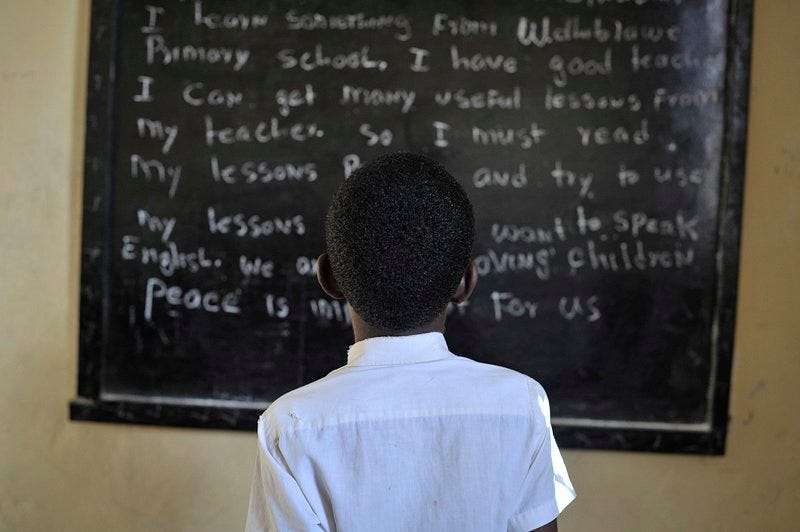
In Niger State, Nigeria, 50 of the 315 children abducted from St Mary’s Catholic School have escaped and been reunited with their families, while a military-led operation continues to search for the remaining 265 children and 12 teachers. The abduction, part of a broader pattern of kidnappings for ransom by armed gangs, prompted school closures across several states and the recruitment of 30,000 additional police officers. Authorities report that St Mary’s had ignored prior warnings to close boarding facilities, and ongoing investigations involve military, police, and local vigilantes. The incident has drawn international attention, with calls for the safe release of all abductees, and occurs amid broader security challenges in Nigeria, including jihadist activity in the northeast and resource-related conflicts between communities.
- Malaysia says it plans to ban social media for users under 16 starting next year – 24.11.2025
Malaysia plans to ban social media use for individuals under 16 starting next year, aiming to protect children from online risks such as cyberbullying, scams, and sexual abuse. Communications Minister Fahmi Fadzil stated that the government is reviewing age-restriction mechanisms used in countries like Australia, which recently introduced a similar ban, and other nations exploring age verification systems. The measure follows growing global concern over social media’s impact on children’s mental health, with platforms like TikTok, Snapchat, Google, and Meta facing lawsuits in the U.S. Malaysia has also increased regulatory oversight of digital platforms, requiring licenses for services with over eight million users to address harmful content.

- Five dead in suicide bombing in Pakistan – 24.11.2025
Two suicide bombers attacked the headquarters of Pakistan’s Federal Constabulary in Peshawar, killing three security officials and injuring at least 12 others, including civilians. The attackers were reportedly neutralized at the gate before entering the complex, which is located in a highly secured area. No group has claimed responsibility, though Peshawar, in Khyber Pakhtunkhwa province along the Afghan border, has a history of militant activity, including operations by the Pakistani Taliban. Authorities have cordoned off the area, emergency teams are on site, and Prime Minister Shehbaz Sharif called for the perpetrators to be identified and brought to justice.
- Toxic mines put Southeast Asia’s rivers, people at risk, study says – 24.11.2025
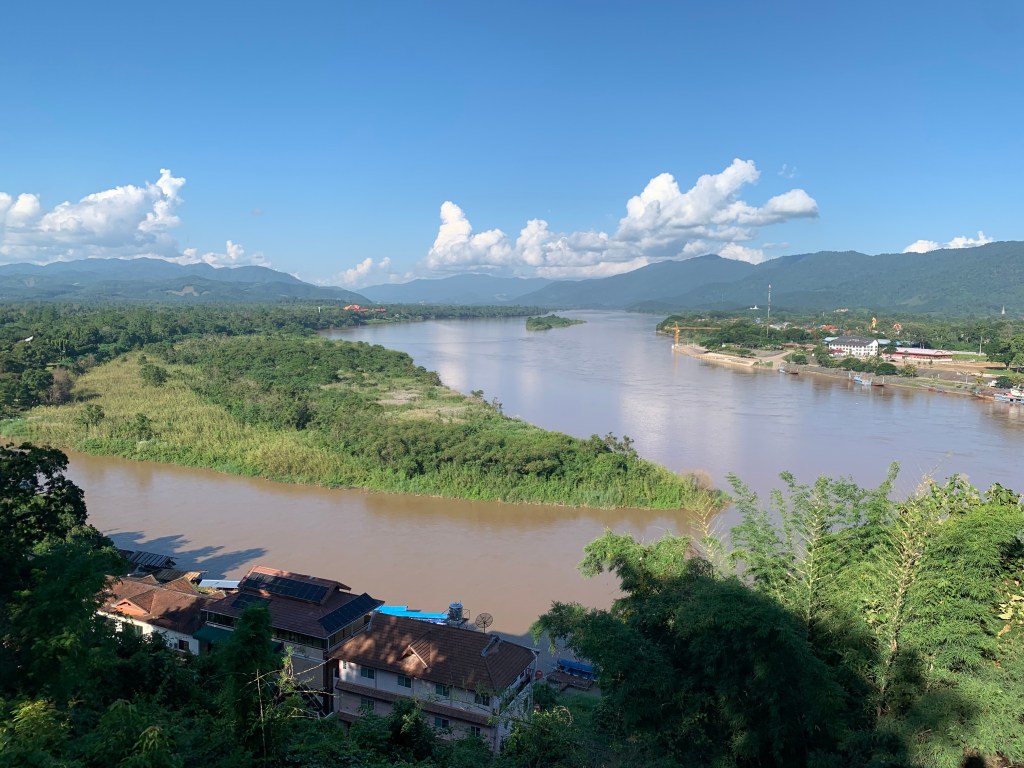
A recent Stimson Center study highlights environmental and public health risks from over 2,400 largely unregulated mines along rivers in mainland Southeast Asia, including the Mekong, Salween, and Irrawaddy basins. Mining activities, particularly rare earth and gold extraction some supported by Chinese operators may release toxic chemicals such as mercury, cyanide, arsenic, and ammonium sulfate into waterways, threatening the health of millions of residents and affecting agricultural and fishery products exported globally. Research indicates that contamination has risen sharply in rivers like the Kok in northern Thailand, forcing local farmers to shift to groundwater irrigation. The Thai government has established task forces to monitor environmental impacts, coordinate international cooperation, and protect affected communities, while experts emphasize the need for stricter regulation to prevent further ecological and human health damage.
- Thousands of Australians without power after tropical cyclone hits Northern Territory – 24.11.2025
In Australia’s Northern Territory, Cyclone Fina, a category three tropical cyclone, caused widespread power outages affecting around 19,000 residents in Darwin and surrounding areas, as well as property damage and submerged roads, though no injuries were reported. The cyclone brought wind gusts up to 205 kph and prompted authorities to close Darwin International Airport temporarily and advise residents to avoid downed power lines. Officials emphasized the preparedness and coordinated response of local communities, while crews began assessing damage and restoring services. The event recalls the devastating impact of Cyclone Tracy in 1974, highlighting the region’s vulnerability to severe tropical cyclones.

- https://www.bbc.com/news/articles/cx242yj380no
- https://www.nytimes.com/2025/11/22/climate/cop30-climate-summit-ends-belem.html
- https://www.politico.eu/article/eu-rules-out-restrictions-on-ukraines-army-in-rebuke-to-trump-plan/
- https://edition.cnn.com/2025/11/23/india/india-delhi-smog-protests-challenges-intl-hnk-dst
- https://www.bbc.com/news/articles/cg5m829mz9mo
- https://www.bbc.com/news/articles/cwywl8g31g7o
- https://www.bbc.com/news/articles/cpwk5qzzppzo
- https://www.nbcnews.com/world/asia/malaysia-says-plans-ban-social-media-users-under-16-starting-2026-rcna245562
- https://www.bbc.com/news/articles/ckgkv47xqn5o
- https://www.reuters.com/sustainability/climate-energy/toxic-mines-put-southeast-asias-rivers-people-risk-study-says-2025-11-24/
- https://www.reuters.com/business/environment/tropical-cyclone-fina-strikes-australias-northern-territory-shuts-airport-2025-11-23/

Leave a comment