
- Russia’s Lavrov says work under way on Putin’s order on possible Russian nuclear test – 08.11.2025
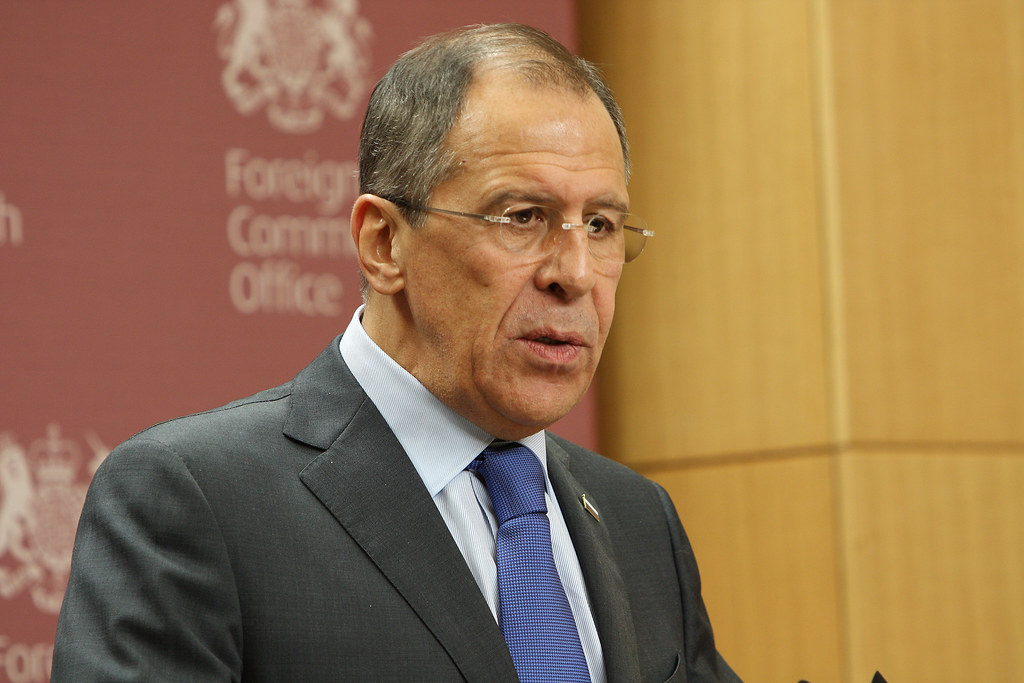
The report states that Russian Foreign Minister Sergei Lavrov confirmed work has begun on President Vladimir Putin’s directive issued at a Security Council meeting on November 5, to develop proposals for a potential Russian nuclear test, with results to be made public once available. The move follows U.S. President Donald Trump’s unexpected announcement that the United States intends to resume nuclear testing, a decision on which Moscow says it has received no clarification from Washington. These developments occur amid a period of heightened tension in Russia–U.S. relations, marked by Trump’s cancellation of a planned summit with Putin and the imposition of new sanctions on Russia.
- Commission makes changes to its own budget proposal to avoid Parliament rebellion – 09.11.2025
The European Commission has put forward several revisions to its proposed €1.8 trillion Multiannual Financial Framework (MFF) for 2028–2034 in an attempt to prevent the European Parliament from rejecting the plan, responding to pressure from the Parliament’s centrist majority. Ahead of a key meeting between Commission President Ursula von der Leyen, Parliament President Roberta Metsola and Danish Prime Minister Mette Frederiksen, the Commission offered concessions on contentious reforms to regional and agricultural funding, including a new “rural target” requiring national governments to allocate 10 percent of their plans to agriculture, enhanced involvement of regional leaders in decision-making, and safeguards to protect funding for more developed regions. While some lawmakers view the changes as broadly aligned with Parliament’s demands, others consider them insufficient, and EU diplomats warn that the Commission’s move highly unusual given it revises its own proposalmay complicate ongoing negotiations with member states in the Council, which have opposed early concessions to Parliament.
- Confirmed—The Southern Ocean could “belch” out accumulated heat and warm the planet again for an entire century – 09.11.2025
A new study by researchers at the GEOMAR Helmholtz Centre for Ocean Research warns that although the Southern Ocean has long slowed global warming by absorbing substantial amounts of anthropogenic carbon dioxide and heat, it may eventually release much of this stored heat once human emissions cease and the planet begins to cool. Using advanced climate models, the scientists simulated a scenario in which fossil fuel use continues for several decades, CO₂ concentrations double, and then emissions abruptly stop as long-term carbon removal begins; despite subsequent atmospheric cooling, the deep Southern Ocean retains heat accumulated during the warming period. Over time, natural upwelling processes could release this heat back into the atmosphere effectively a century-long “burp” of warming comparable to temperatures observed over the past hundred years, with the strongest impacts projected for the Southern Hemisphere. The findings underscore that delaying emissions reductions increases stored oceanic heat and thus raises the risk of prolonged future warming.
- Powerful quake strikes off the coast of Japan, tsunami advisory lifted after 3 hours – 09.11.2025
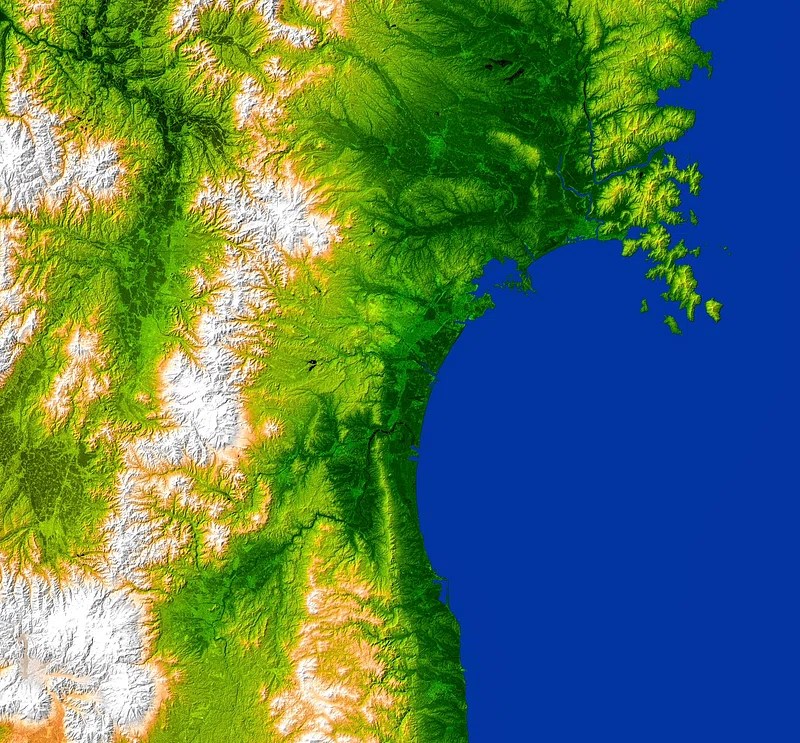
A powerful 6.9-magnitude earthquake struck off the coast of Japan’s Iwate Prefecture on Sunday evening at a depth of 16 kilometers, prompting a tsunami advisory for the northern coast, according to the Japan Meteorological Agency. Tsunami waves between 10 and 20 centimeters were recorded in several coastal cities, though no major damage, injuries, or abnormalities at nearby nuclear power plants were reported. The advisory, which warned of possible waves up to 3 meters, was lifted about three hours later, but authorities cautioned that strong aftershocks could occur over the next week. The quake, which also shook parts of Hokkaido, was not linked to the 2011 Fukushima disaster but underscored Japan’s continued vulnerability to seismic activity due to its position along the Pacific “Ring of Fire.”
- Senators take first step toward reopening the government after historic shutdown – 09.11.2025
A bipartisan group of U.S. senators reached a procedural agreement to end the nation’s longest government shutdown, advancing a measure that would fund the government through January 30 and provide full-year appropriations for several programs, including SNAP through September 2026. The bill passed its initial Senate vote 60–40, enabling it to move forward with a simple majority in subsequent steps, though it must still clear the House before federal employees receive backpay and suspended services resume. The agreement includes protections for federal workers, reversal of any shutdown-related staff reductions, and a commitment to hold a Senate vote on extending Affordable Care Act premium tax credits by mid-December—an informal concession that has divided Democrats. While moderates argue the deal represents the most viable compromise, key Democratic leaders, including Chuck Schumer and Hakeem Jeffries, oppose it for failing to secure immediate health-care subsidies, reflecting broader intraparty tensions over strategy during the shutdown.
- Water levels below 3% in dam reservoirs for Iran’s second city, say reports – 09.11.2025
Water levels in Mashhad, Iran’s second-largest city with approximately four million residents, have fallen below 3% in its four supplying dams amid the country’s most severe drought in decades, according to Hossein Esmaeilian, CEO of the city’s water company. The city’s consumption reaches around 8,000 liters per second, with only 1,000–1,500 liters per second supplied from dams, prompting authorities to emphasize urgent water management and potential consumption restrictions. Nationwide, 19 major dams about 10% of Iran’s reservoirs have effectively run dry, while Tehran faces critical levels in five primary drinking-water dams, raising the possibility of rolling water cuts. Analysts and local media have highlighted systemic issues, including politically motivated appointments and mismanagement, as exacerbating the crisis, noting that climate-related challenges are increasingly influenced by governance decisions.
- Dozens of inmates dead after violent Ecuador prison riot – 10.11.2025
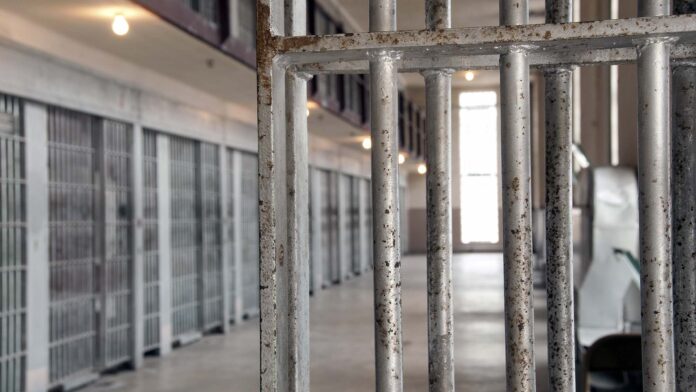
On Sunday, at least 27 inmates were found dead from asphyxiation at Machala prison in Ecuador’s El Oro province following a violent riot that morning, which also resulted in four deaths and injuries to 33 prisoners and one police officer. The disturbance, reportedly triggered by a reorganization of inmates in a new maximum-security facility, was quelled by elite police units. This incident is part of a broader pattern of unrest and violence in Ecuadorian prisons, which have increasingly become centers for rival drug-trafficking gangs, contributing to organized crime in the country. Ecuador, situated between Peru and Colombia two of the world’s largest cocaine producers has seen escalating violence in recent years, with prison-based criminal networks playing a central role in the country’s security challenges.
- Indonesia names ex-dictator Suharto a ‘national hero’ – 10.11.2025
Indonesia has named former president Suharto a national hero, sparking widespread protests due to his controversial legacy as a dictator from the 1960s to 1998, during which hundreds of thousands of political opponents were killed and civil liberties suppressed, alongside a period of rapid economic growth and development. The award, conferred by current president Prabowo Subianto Suharto’s former son-in-law and a former military general with alleged human rights violations was part of an annual ceremony adding ten new figures to the national hero list, including Suharto’s children receiving the honor on his behalf. Critics, including civil society groups and human rights organizations, argue the recognition attempts to whitewash Suharto’s authoritarian regime and distort historical memory, while supporters cite his contributions to Indonesia’s economic development and stability, including average annual growth of 7% and inflation reduction during his rule. The ceremony also recognized Suharto’s historical opponents, such as former president Abdurrahman Wahid and labor activist Marsinah, whose inclusion may partially address human rights concerns.

- Malaysia steps up search for missing Rohingya boats, at least 11 dead – 10.11.2025
Malaysian and Thai authorities are conducting extensive maritime search operations in the Andaman Sea following the capsizing of a boat carrying members of Myanmar’s persecuted Rohingya minority near Langkawi, Malaysia, which killed at least 11 people and left dozens missing. The vessel, one of two that departed from Cox’s Bazar, Bangladesh, and possibly Rakhine State, Myanmar, carried approximately 70 passengers, while the second boat’s 230 passengers’ fate remains uncertain; 13 survivors have been rescued so far. The Rohingya, a predominantly Muslim group facing long-term persecution in Myanmar and difficult conditions in overcrowded Bangladeshi refugee camps, often undertake dangerous sea journeys to Malaysia, a country that does not formally recognize refugee status but has been a common destination. Regional authorities, deploying air and sea assets, plan to continue search operations for up to a week, while rescued individuals have been detained pending investigation into potential immigration offenses. The incidents reflect ongoing risks for Rohingya attempting to escape conflict, hunger, and diminishing foreign aid in their current locations.
- Philippines assesses damage after deadly Typhoon Fung-wong – 10.11.2025
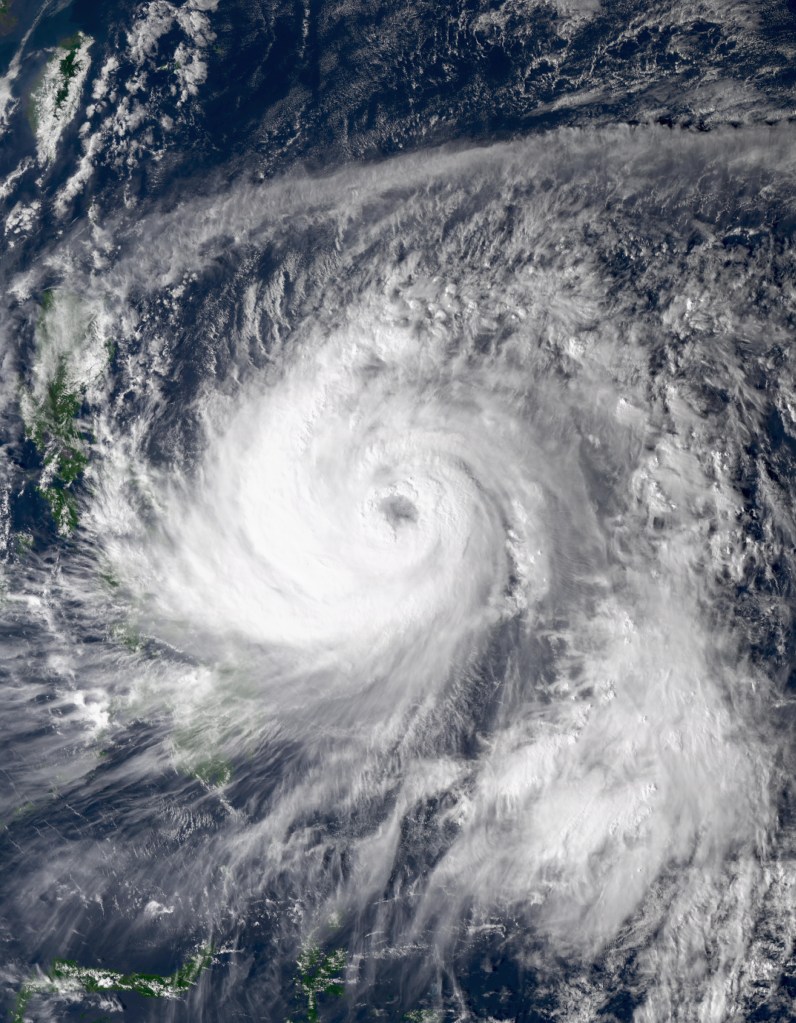
Typhoon Fung-wong struck the Philippines’ most populous island, Luzon, causing at least two deaths, displacing 1.4 million people, and damaging homes, roads, and infrastructure. With winds reaching 185 km/h and gusts up to 230 km/h, the storm triggered flash floods and landslides, affecting more than 132 villages and leaving nearly 320,000 people in evacuation shelters. Rescue and recovery operations have been launched by Philippine authorities, including coast guard, police, and military personnel, while travel restrictions and school closures were implemented and hundreds of flights canceled. The storm followed closely after Typhoon Kalmaegi, which caused over 224 fatalities in central Philippines. Meteorological agencies warned that residual heavy rains and flooding could continue to threaten northern Luzon, including metropolitan Manila. Scientists note that human-driven climate change is intensifying typhoons due to warmer oceans and increased atmospheric moisture.

- https://www.reuters.com/world/europe/russias-lavrov-says-work-under-way-putins-order-possible-russian-nuclear-test-2025-11-08/
- https://www.politico.eu/article/parliament-european-commission-document-exclusive-fund-agriculture/
- https://unionrayo.com/en/southern-ocean-climate-change-earth/
- https://apnews.com/article/japan-earthquake-tsunami-62344ef5cc944482343933127ea81312
- https://www.npr.org/2025/11/09/nx-s1-5603659/government-shutdown-senate-agreement
- https://www.theguardian.com/world/2025/nov/09/water-levels-below-3-percent-in-dam-reservoirs-for-iran-second-city-say-mashhad-reports
- https://www.dw.com/en/dozens-of-inmates-dead-after-violent-ecuador-prison-riot/a-74681537
- https://www.bbc.com/news/articles/cn40p2vwyn7o
- https://www.reuters.com/world/asia-pacific/migrant-boat-that-sank-off-thai-malaysia-border-was-carrying-around-70-people-2025-11-10/
- https://www.aljazeera.com/news/2025/11/10/philippines-assesses-damage-after-deadly-typhoon-fung-wong

Leave a comment