
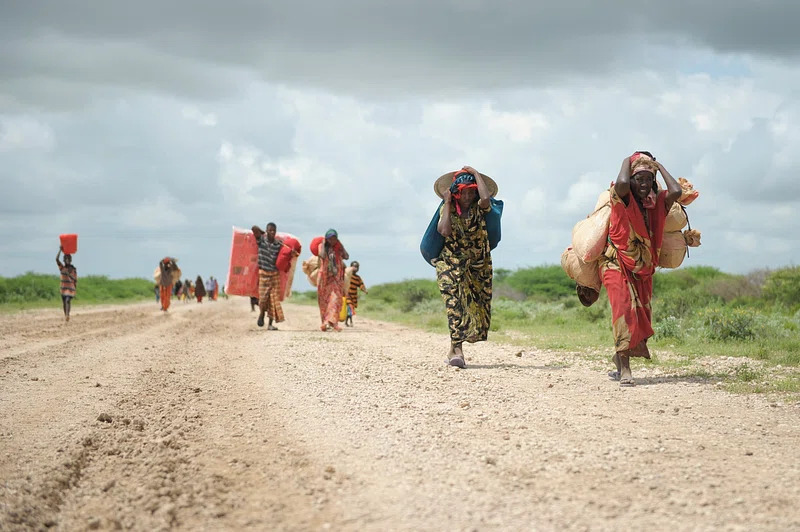
- Two dead and dozens arrested amid Cameroon election crackdown – 24.10.2025
At least two people were killed and dozens arrested in Cameroon amid a government crackdown following unrest over the country’s disputed presidential election. Preliminary results from the electoral commission indicate a likely victory for 92-year-old incumbent Paul Biya, in power since 1982, sparking protests across several regions. Opposition leader Issa Tchiroma Bakary, head of the Cameroon National Salvation Front and a former Biya ally, has declared himself the winner with 54.8% of the vote, accusing authorities of large-scale fraud. The Constitutional Council, which dismissed ten petitions alleging malpractice, is set to announce official results on 27 October. Security forces have used teargas to disperse demonstrators in cities such as Garoua and Yaoundé, while reports of internet disruptions have further fueled tensions. The government warned that those detained would face trial before a military tribunal for “incitement to rebellion,” as religious leaders appealed for peace and stability.

- Russia has tested a new nuclear-capable missile, Putin and top general say – 26.10.2025
Russia has successfully tested its new nuclear-powered and nuclear-capable Burevestnik cruise missile, President Vladimir Putin announced, marking a significant step toward its potential deployment. According to Russian Chief of General Staff Gen. Valery Gerasimov, the missile, known to NATO as “Skyfall,” flew 14,000 kilometers over 15 hours on nuclear power, demonstrating what he described as “not the limit” of its capability. The Burevestnik, first unveiled by Putin in 2018, is said to possess an almost unlimited range and an unpredictable flight path, making it theoretically impervious to existing and future missile defense systems. Western analysts, however, remain skeptical, citing safety and reliability concerns linked to its nuclear propulsion, as well as potential environmental risks. The missile previously suffered a fatal accident in 2019 that caused a radioactive spike in northern Russia. The latest test comes amid heightened nuclear signaling by Moscow, including large-scale strategic force drills and warnings against Western involvement in Ukraine.
- Battle for Sudan’s el-Fasher intensifies as RSF claims seizing army HQ – 26.10.2025
Fighting has escalated in Sudan’s North Darfur region, where the Rapid Support Forces (RSF) claimed to have captured the Sudanese Armed Forces’ (SAF) 6th Division base in the besieged city of el-Fasher after months of siege and intense battles. While the RSF declared full control of the base and called it a turning point, reports indicate that SAF troops had already withdrawn and repositioned around the city, meaning the RSF has not gained full control of el-Fasher itself. The city, home to about 250,000 civilians, has suffered from severe shortages of food and medicine amid continued bombardment, with UN agencies warning of impending famine and child deaths. The RSF and SAF have both been accused of committing atrocities during the 18-month siege, and rights monitors report incidents of looting, assault, and killings by RSF fighters. Analysts suggest the RSF’s campaign aims to consolidate power across Darfur and strengthen its position in ongoing peace negotiations. The broader conflict, which began in April 2023, has killed tens of thousands, displaced around 12 million people, and created the world’s largest humanitarian crisis, while international efforts, including those by U.S. President Donald Trump, have yet to produce significant progress toward a ceasefire.
- Javier Milei hails ‘tipping point’ as his far-right party wins Argentina’s midterm elections – 27.10.2025
Argentina’s far-right president Javier Milei’s party, La Libertad Avanza, won the country’s midterm elections with 40.84% of the vote, compared to 31.67% for the Peronist opposition, Fuerza Patria. Although the result did not grant Milei a congressional majority, it exceeded expectations and was seen as a political boost after months of declining popularity due to corruption scandals and economic hardship. The victory followed a controversial $40 billion bailout announced by U.S. President Donald Trump, who linked continued financial aid to Milei’s success. Milei celebrated the result as the start of Argentina’s “reconstruction,” pledging to deepen his economic reforms. Since taking office nearly two years ago, he has implemented drastic spending cuts, reducing inflation from over 200% in 2023 to around 30% in September 2025, achieving the first fiscal surplus in 14 years. However, unemployment, business closures, and declining purchasing power have intensified public discontent. The election, which renewed half of the lower house and one-third of the senate, saw Milei’s coalition secure 64 seats in the chamber of deputies and 12 in the senate, enough to maintain veto power. Voter turnout was 67.85%, the lowest since Argentina’s return to democracy in 1983, amid growing skepticism toward both domestic leadership and perceived U.S. interference.
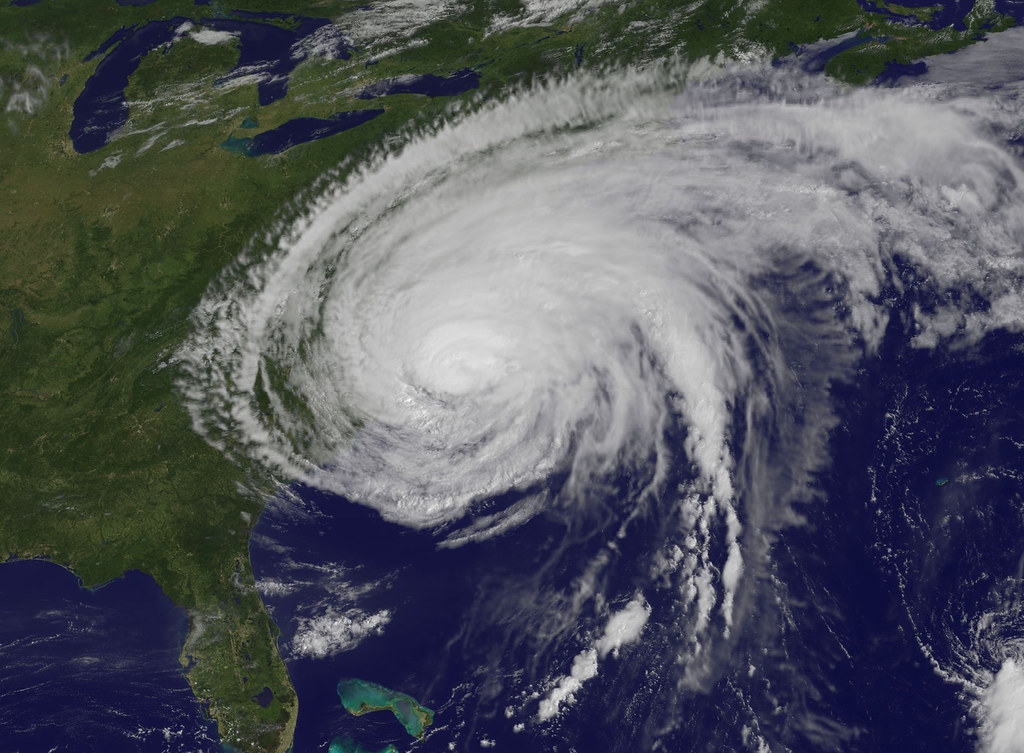
- Hurricane Melissa Set To Turn North In Catastrophic Multi-Day Flood, Wind Damage Event In Jamaica, Haiti – 27.10.2025
Hurricane Melissa, currently a rapidly intensifying Category 4 storm, is forecast to reach Category 5 strength as it moves toward Jamaica, posing catastrophic risks including life-threatening flooding, landslides, destructive winds, and storm surge. The hurricane’s slow movement and extreme rainfall, potentially up to 40 inches in southern Hispaniola and Jamaica are expected to cause severe infrastructural damage, prolonged power and communication outages, and isolation of communities, particularly in Jamaica and Haiti. The National Hurricane Center warns that Melissa could become one of the most powerful storms on record to strike Jamaica, with impacts also projected for eastern Cuba and the Bahamas. Hurricane conditions are expected in Jamaica by Monday night, followed by eastern Cuba on Tuesday, with widespread flooding already occurring across the region.
- US Navy helicopter and fighter jet crash in separate incidents in the South China Sea – 27.10.2025
On Sunday, a US Navy MH-60R Seahawk helicopter and an F/A-18F Super Hornet fighter jet both crashed within a half-hour during separate routine operations over the South China Sea, with all crew members safely rescued. The incidents, which occurred from the aircraft carrier USS Nimitz, prompted an official Navy investigation, and US President Donald Trump suggested a possible fuel issue as a cause. The crashes highlight operational risks in the strategically sensitive South China Sea, a region claimed by multiple governments but largely asserted by China, which has built military installations on contested islands. The events coincide with Trump’s diplomatic tour in Asia, including upcoming trade talks with Chinese President Xi Jinping, amid ongoing US-China tensions. The F/A-18F is at least the fourth such fighter lost by the Navy in 2025, following previous crashes in the Red Sea and off Virginia, underscoring concerns over aging aircraft and operational safety.

- Australia sues Microsoft over AI-linked subscription price hikes – 27.10.2025
On October 27, 2025, the Australian Competition and Consumer Commission (ACCC) filed a lawsuit against Microsoft, alleging that the company misled approximately 2.7 million customers into paying higher prices for Microsoft 365 software after bundling it with the AI tool Copilot. According to the ACCC, annual subscription costs for the Microsoft 365 personal plan rose by 45% to A$159 and the family plan by 29% to A$179 following the integration, while Microsoft failed to clearly inform users that a cheaper “classic” plan without Copilot remained available. The regulator argued that the option to retain the lower-priced plan was only disclosed during the cancellation process, constituting a breach of Australian consumer law by withholding material information and creating a false impression of available choices. Microsoft stated it was reviewing the claim. The ACCC seeks penalties, consumer redress, injunctions, and costs, noting that maximum fines for each breach could reach A$50 million, three times the attributable benefits, or 30% of adjusted turnover if benefits are indeterminate, with final penalties determined by the court.
- Suspects arrested over brazen jewel theft from Paris’ Louvre museum – 27.10.2025
French authorities have arrested two men in connection with last week’s theft of the country’s crown jewels from the Louvre Museum’s Apollo Gallery, a daylight raid in which thieves stole nine high-value items, including a diamond and sapphire set worn by Queen Marie-Amélie and Queen Hortense, estimated at €88 million ($102 million). The suspects, both from Aubervilliers, were identified through DNA evidence, with one apprehended while attempting to leave France from Roissy (Charles de Gaulle) airport. At least two other individuals remain at large. The heist, executed in approximately seven minutes using a truck-mounted ladder to access the gallery, prompted a large-scale investigation involving around 100 officers. French officials acknowledged serious security failings at the museum, while Interior Minister Laurent Nuñez commended investigators for their efforts, and Paris prosecutor Laure Beccuau confirmed ongoing legal proceedings.

- Brazil and Peru are failing uncontacted peoples – and the Amazon’s future is at stake – 27.10.2025
A report by Survival International highlights that 196 uncontacted Indigenous groups across South America, Asia, and the Pacific face severe threats to their survival, with half at risk of extinction within a decade due to industrial activity, illegal resource extraction, missionary incursions, disease, and climate change. The study emphasizes Brazil and Peru, where most confirmed isolated groups live, noting that protections for these populations are weakening. In Brazil, the National Foundation for Indigenous Peoples (Funai) has been underfunded and politically constrained, while the 2023 “marco temporal” law limits recognition of Indigenous lands, leaving many territories vulnerable. In Peru, proposed legislation and arbitrary administrative decisions threaten reserves for isolated peoples, including oil and gas exploration in protected areas, placing tribes such as the Mashco Piro at extreme risk. The report calls on both governments to uphold constitutional, legal, and moral obligations to protect Indigenous territories and ensure the survival of uncontacted peoples, particularly as Brazil hosts Cop30 and seeks global climate action funding while permitting forest destruction at home.
- https://www.theguardian.com/world/2025/oct/24/deaths-arrests-amid-cameroon-election-crackdown
- https://apnews.com/article/russia-missile-nuclear-test-launch-drills-burevestnik-dd6a424d6c545ad42848416b77e93619
- https://www.aljazeera.com/news/2025/10/26/battle-for-sudans-el-fasher-intensifies-as-rsf-claims-seizing-army-hq
- https://www.theguardian.com/world/2025/oct/27/javier-milei-president-far-right-party-wins-argentina-midterm-elections
- https://weather.com/storms/hurricane/news/2025-10-26-hurricane-melissa-rapid-intensification-category-5-jamaica-haiti
- https://edition.cnn.com/2025/10/26/politics/navy-aircraft-crash-south-china-sea
- https://www.reuters.com/world/asia-pacific/australia-takes-microsoft-court-says-it-misled-27-million-customers-2025-10-26/
- https://edition.cnn.com/2025/10/26/europe/louvre-robbery-france-arrests-intl
- https://www.theguardian.com/global-development/2025/oct/27/brazil-and-peru-are-failing-uncontacted-people-and-the-amazon-future-is-at-stake

Leave a comment