
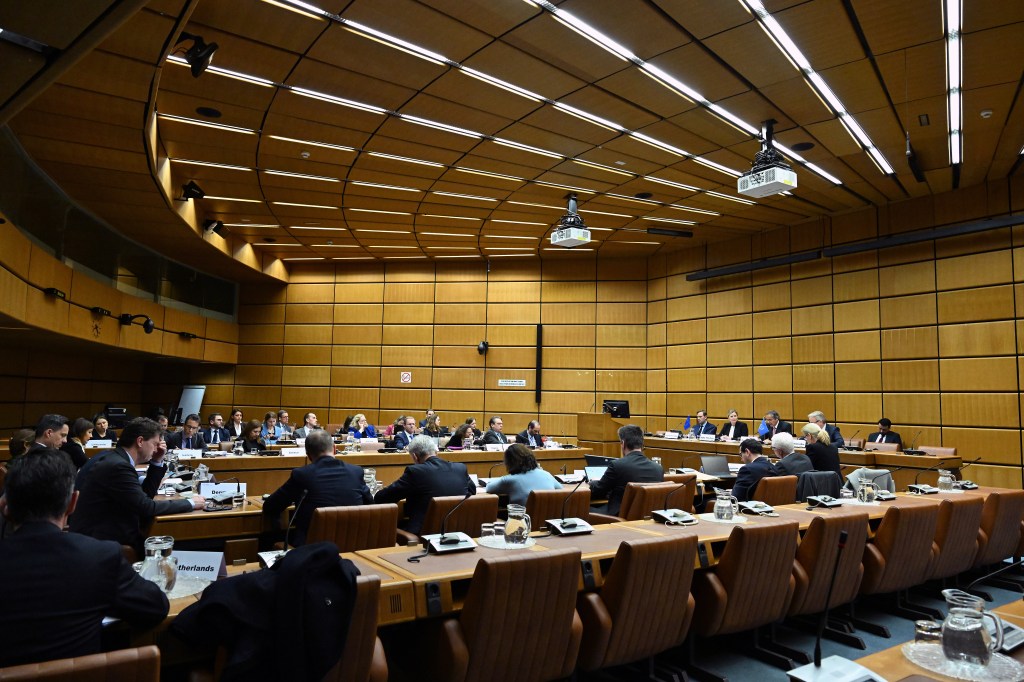
Securitization in international relations refers to the process by which states frame certain issues as existential threats, justifying extraordinary measures beyond normal political debate. Developed by the Copenhagen School, scholars like Ole Wæver and Barry Buzan, this concept views security as a “speech act” where an issue (military, political, economic, societal, or environmental) is socially constructed as a threat through specific rhetorical steps: claiming an existential danger, demanding emergency action, and persuading an audience to accept rule-breaking responses. This process elevates ordinary or politicized matters to urgent security concerns, often bypassing democratic scrutiny, highlighting securitization as a powerful discursive tool shaping contemporary security policies.
- Huysmans, J. (2018). Securitization theory. In A. K. Jain (Ed.), The Routledge Handbook of Security Studies (pp. 123-136). Springer. https://doi.org/10.1007/978-3-319-51761-2_11-1
- Buzan, B. (2016). Securitization. In D. M. Malone (Ed.), Oxford Bibliographies in International Relations. Oxford University Press. https://www.oxfordbibliographies.com/display/document/obo-9780199743292/obo-9780199743292-0091.xml

Leave a comment