
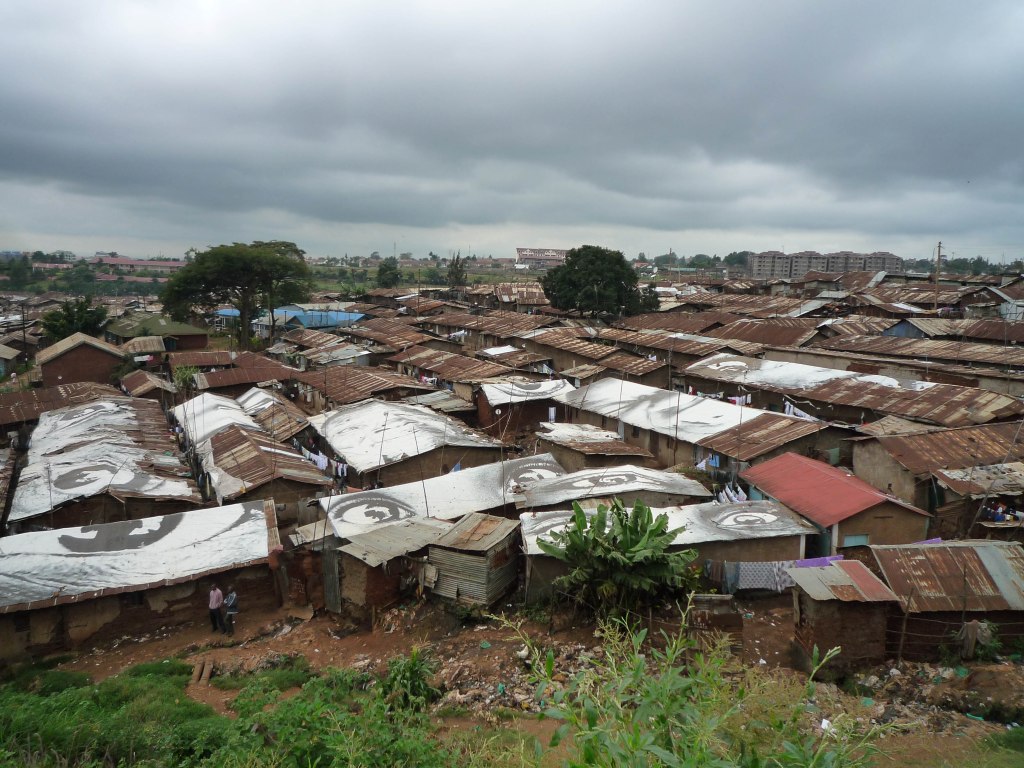
The term periphery is used in the discipline of international relations to refer to regions and countries that are not at the center of political and economic power and are generally less developed and less influential. This concept has an important place in the context of the world systems theory developed by Immanuel Wallerstein and is divided into three as “core”, “semi-periphery” and “periphery”. Core symbolizes more industrialized and politically and economically powerful states. Periphery, on the other hand, covers countries that are less developed and have economies based on raw material exports compared to these countries. The concept of periphery is a strategic and critical tool used to understand the balance of power between countries in international relations and the inequalities of the global economic order.
- Wallerstein, I. (2004). World-Systems Analysis: An Introduction. Duke University Press.
- Wallerstein, I. (1974). The rise and future demise of the world capitalist system: Concepts for comparative analysis. Comparative Studies in Society and History, 16(4), 387–415.

Leave a comment