
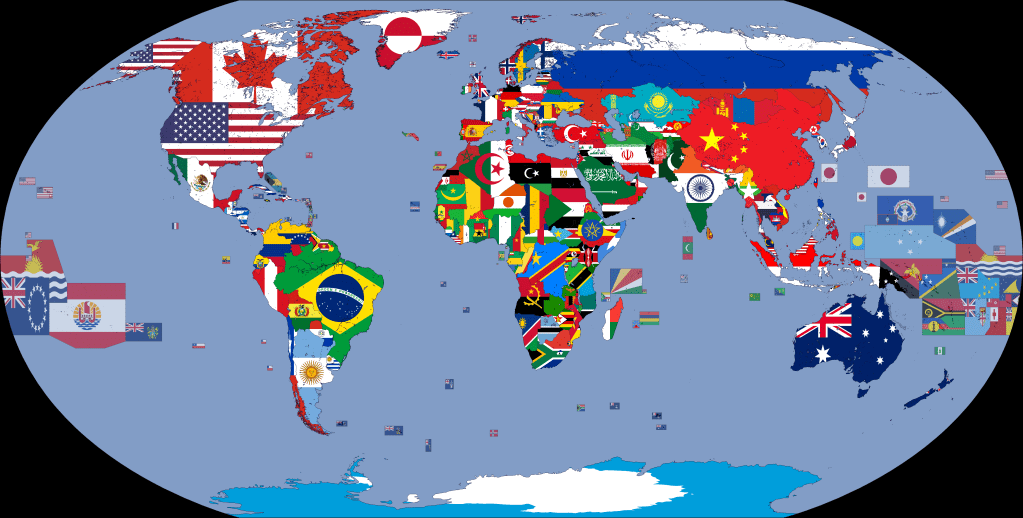
In the context of international relations, “independent” refers to the sovereignty and autonomy of a state or entity. A state is considered independent when it exercises complete control over its own internal and external affairs without being subject to the authority or influence of another state. Independence is a fundamental concept in international relations, as it is directly linked to the principles of sovereignty, self-determination, and non-interference in the internal affairs of states.
- Krasner, S. D. (1999). Sovereignty: Organized Hypocrisy. Princeton University Press.
- Jackson, R. H., & Sørensen, G. (2016). Introduction to International Relations: Theories and Approaches (6th ed.). Oxford University Press.
- Philpott, D. (2001). Revolutions in Sovereignty: How Ideas Shaped Modern International Relations. Princeton University Press.
- United Nations. (1945). Charter of the United Nations. Retrieved from https://www.un.org/en/about-us/un-charter

Leave a comment