
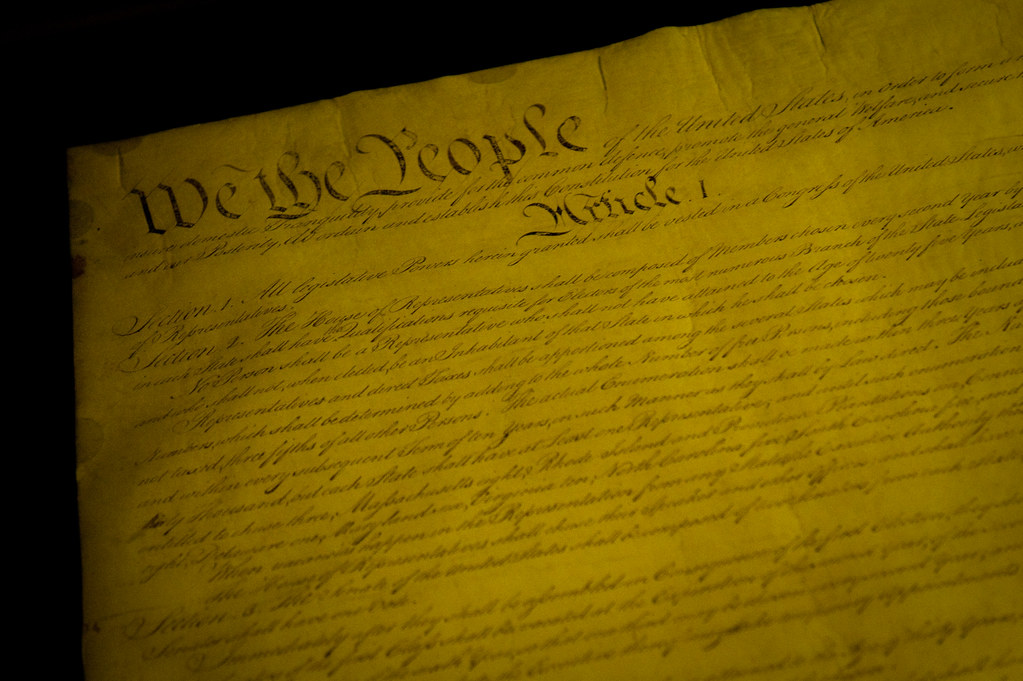
A constitution is a fundamental legal document that outlines the structure, powers, and functions of a government and specifies the rights and duties of its citizens. It serves as the supreme law of a country or organization and provides the framework for governance and legal principles. The constitution defines the organization and functions of government institutions, such as the executive, legislative, and judicial branches. It specifies how these branches interact, their powers, and their responsibilities.
There are two types of constitutions:
Written Constitution: A formal document that is codified and compiled in a single text or multiple texts.
Unwritten Constitution: Consists of a collection of statutes, conventions, judicial decisions, and historical documents that form the constitutional framework.
- Wheare, K. C. (1963). Modern constitutions (2nd ed.). Oxford University Press.
- Elster, J. (1995). Forces and mechanisms in the constitution-making process. Duke Law Journal, 45(2), 364–396.

Leave a comment