
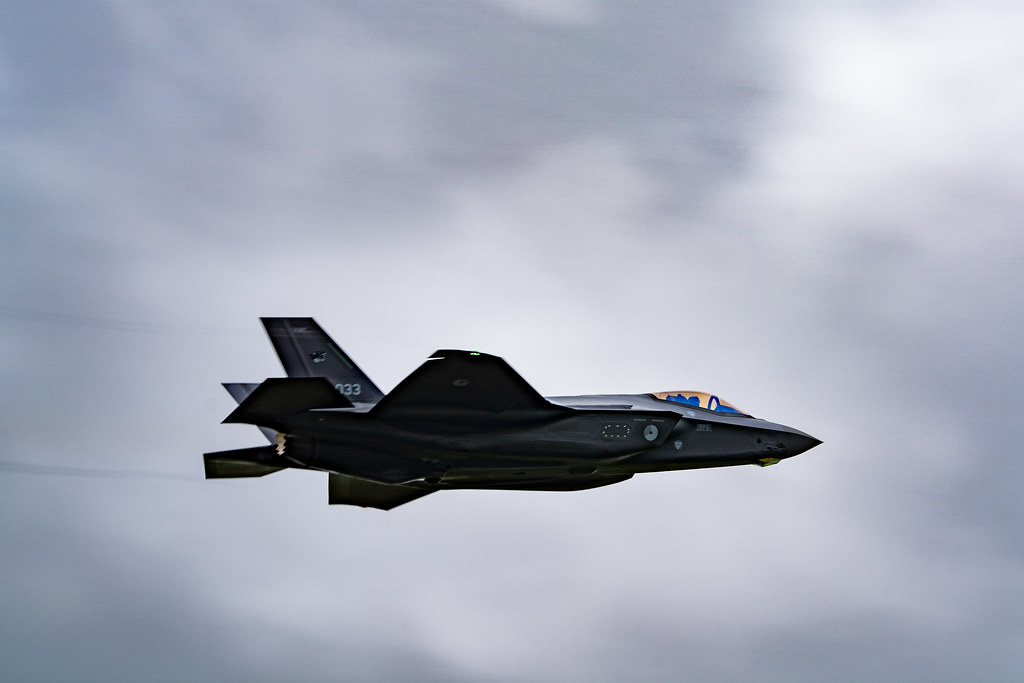
It is a strategy used to deter an adversary from taking hostile action, especially a nuclear attack, by threatening significant retaliatory consequences. The idea is that the potential for devastating retaliation will deter a country from initiating a conflict or attacking with nuclear weapons. It is central to modern security policies that aim to prevent nuclear war by ensuring that it will have unacceptable consequences for the aggressor.
- Schelling, Thomas C. (1966). Arms and Influence. Yale University Press.
- Waltz, Kenneth N. (1981). “The Spread of Nuclear Weapons: More May Be Better.” Adelphi Papers, 171(1), 1-35.
- Freedman, Lawrence. (2004). Deterrence. Polity Press.
- Jervis, Robert. (1979). “Deterrence Theory Revisited.” World Politics, 31(2), 289-324.
- Morgan, Patrick M. (2003). Deterrence Now. Cambridge University Press.

Leave a comment