
- White House envoy may travel to Middle East Sunday in push to extend Gaza deal – 25.02.2025
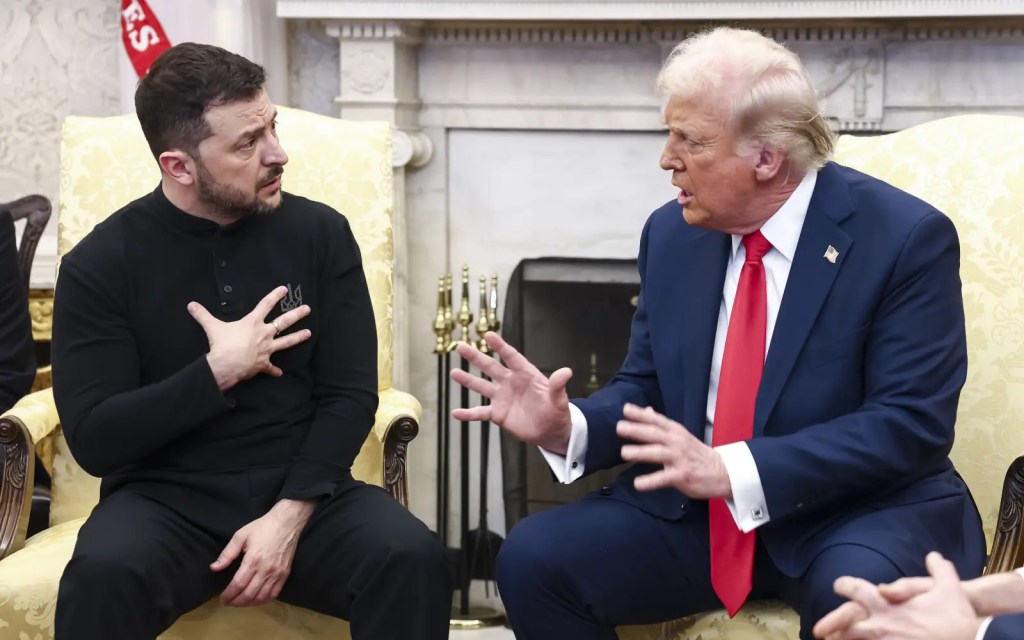
White House envoy Steve Witkoff announced that Israel will send a delegation to Doha or Cairo soon to discuss the next steps in the Gaza hostage and ceasefire deal, which is based on principles agreed upon by the U.S., Israel, Qatar, and Egypt. The first phase of the deal is set to end on Saturday, with ongoing negotiations determining if a ceasefire will continue. Recently, Hamas and Israel reached an agreement where Hamas will return the bodies of four Israeli hostages in exchange for Israel releasing 600 Palestinian prisoners. Witkoff’s trip to the Middle East has been delayed to prioritize diplomatic efforts on Russia-Ukraine. Israeli Prime Minister Netanyahu, despite security advice, delayed the prisoner release due to Hamas violations of the deal. The U.S. has expressed support for Israel’s actions, and Witkoff plans to meet with key negotiators in the region, including in Qatar, Egypt, and Saudi Arabia.
- Israel will not withdraw from Philadelphi corridor as stipulated in ceasefire – 27.02.2025
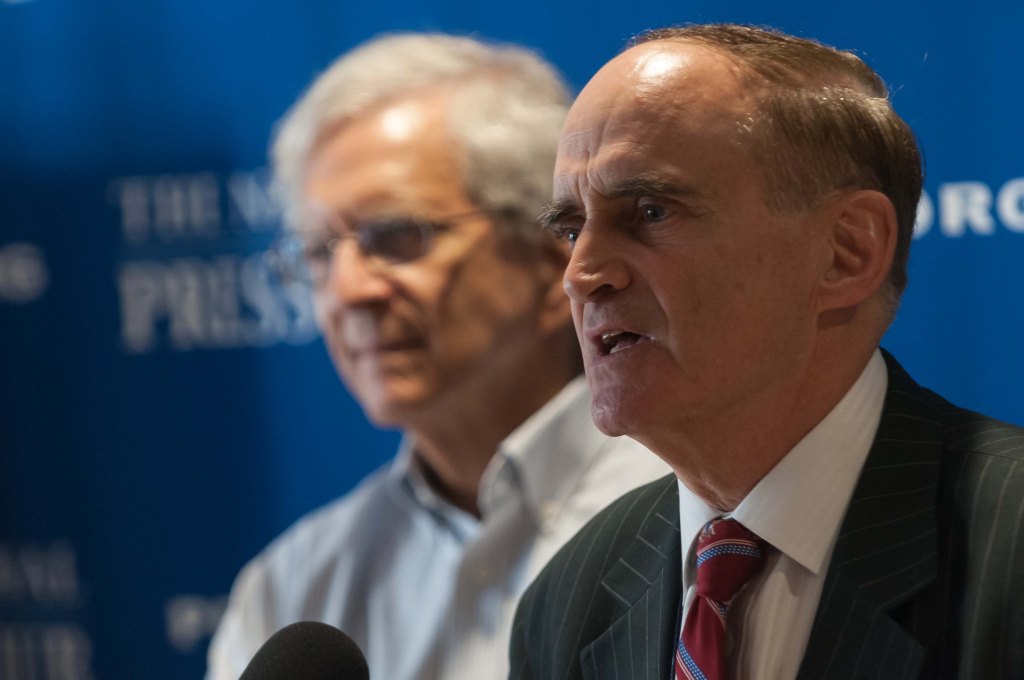
Israel has confirmed that it will not withdraw from the Philadelphi corridor, despite the ceasefire agreement requiring it to do so, citing security concerns over Hamas regaining strength through smuggling. This decision could strain relations with Hamas and Egypt, which has been a key mediator. The withdrawal was set to begin Saturday and be completed in eight days, but Israeli officials argue that staying in the corridor is necessary to prevent weapons smuggling. While some Israeli military leaders have opposed maintaining control, Prime Minister Netanyahu insists it is crucial for security.
- Ukrainians Blindsided by Deal’s Breakdown and by Trump’s Actions – 28.02.2025
Many in Ukraine believed that the proposed mining deal with the U.S. could bring much-needed investment, but its sudden collapse and Donald Trump’s dismissive attitude toward President Volodymyr Zelensky left the country in shock and disappointment. The agreement was intended to secure continued U.S. support in exchange for a share of Ukraine’s critical minerals, and while initially seen as extortion, many Ukrainians had come to view it as an acceptable compromise. Trump’s condescending approach and his remarks blaming Ukraine for the war sparked outrage, yet Ukrainians remained determined to continue their fight even without U.S. backing. Some suggested that new negotiations with Europe would be necessary, while others criticized Trump’s actions as damaging to democracy. Despite the setback, Ukrainians reaffirmed their resilience against Russian aggression, with many stating, “It’s better to have no deal at all than to have this one.”
- Trump says US will impose additional 10% tariff on China – 28.02.2025
Donald Trump announced a new 10% tariff on Chinese goods and reaffirmed plans for 25% tariffs on imports from Canada and Mexico starting March 4, citing drug trafficking concerns. While Mexico and Canada previously negotiated a delay by increasing border security, Trump now claims their efforts are insufficient, prompting warnings of strong retaliation from Canadian Prime Minister Justin Trudeau and hopes for a resolution from Mexican President Claudia Sheinbaum. China strongly opposed the tariffs, calling them an excuse for pressure, while economists warned they could raise prices and disrupt investment. Meanwhile, Mexico extradited key cartel leaders to the U.S. as part of security cooperation. Despite concerns over economic impact, Trump insisted the tariffs would hurt China more than the U.S.

- Europe Rallies Around Zelensky After Explosive White House Meeting – 28.02.2025
After Donald Trump harshly criticized Ukrainian President Volodymyr Zelensky and threatened to withdraw U.S. support unless he agreed to a ceasefire with Russia, European leaders quickly reaffirmed their backing for Ukraine. Leaders from France, Germany, Poland, and other European nations, along with Canada, Australia, and New Zealand, praised Zelensky and assured continued support. Ursula von der Leyen and Emmanuel Macron emphasized Ukraine’s fight for dignity and security, while German leader Friedrich Merz warned against confusing the aggressor with the victim. British Prime Minister Keir Starmer maintained his support for Ukraine and planned a summit in London. Meanwhile, Hungarian Prime Minister Viktor Orban sided with Trump, and Russian officials welcomed his stance. Canada’s foreign minister and Australia’s prime minister stressed the need for Western unity, warning that Russia was closely watching developments. In response, Zelensky expressed gratitude to all supporting leaders, including Trump, while reiterating Ukraine’s pursuit of a just and lasting peace.
- EU, India agree to finalize free-trade pact this year, von der Leyen says – 28.02.2025
European Commission President Ursula von der Leyen announced that India and the European Union aim to finalize a free-trade agreement this year. In a speech during her visit to New Delhi, she emphasized that a closer alliance with India would be central to Europe’s future policy, focusing on trade, technology, security, and defense. The agreement, which would be the largest of its kind globally, is set to be finalized despite challenges. The EU is eager to strengthen ties with India to counter geopolitical tensions with the U.S. and China. Talks on the trade deal resumed in 2021, and both sides are also focusing on cooperation in areas such as electric vehicle standards, AI, semiconductors, and telecommunications.
- Pope has ‘peaceful night’ after breathing crisis, Vatican says – 01.03.2025
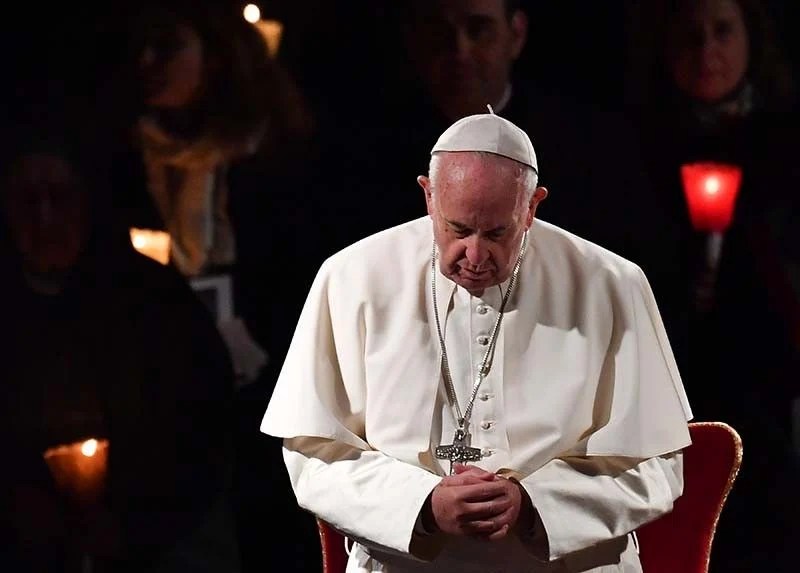
Pope Francis experienced a respiratory crisis while battling pneumonia for the past two weeks, leading to a sudden deterioration in his condition, bronchospasm due to coughing, and vomiting; doctors aspirated his lungs to clear the inhaled fluids and provided oxygen support through a face mask. The Vatican announced that the 88-year-old Pope had a peaceful night and was resting, while doctors would monitor him for the next 24 to 48 hours to assess whether his condition remains stable. Although previous Vatican statements mentioned slight improvement, this latest crisis highlighted the complexity of his health situation. Initially diagnosed with bronchitis and later confirmed to have pneumonia, Pope Francis has been hospitalized since February 14. He is particularly vulnerable to pneumonia, having suffered from pleurisy in his youth, which led to the partial removal of one of his lungs. The Vatican stated that while his health is improving, further days of clinical stability are necessary before making a definitive prognosis.

- https://www.axios.com/2025/02/23/gaza-hostage-ceasefire-negotiations
- https://abcnews.go.com/International/israel-withdraw-philadelphi-corridor-stipulated-ceasefire/story?id=119249232
- https://www.nytimes.com/2025/02/28/world/europe/ukrainians-react-trump-zelensky.html
- https://www.bbc.com/news/articles/ce8yy3wpn6eo
- https://www.nytimes.com/2025/02/28/us/politics/trump-zelensky-europe-leaders.html
- https://www.politico.eu/article/india-agrees-with-eu-to-finalize-free-trade-pact-this-year-von-der-leyen-says/
- https://www.bbc.com/news/articles/cd655917g6qo

Leave a comment