
- Britain pares back secretive China strategy review, seeking closer ties – 16.12.2024
Britain’s Labour government has scaled back its planned audit of relations with China, opting for a quicker, less critical review focused on economic growth. Initially aimed at addressing security and human rights issues, the audit will now rely mainly on government expertise, reflecting Labour’s desire to improve ties with China. This shift aligns with Prime Minister Starmer’s growth agenda and comes amid a potential more hawkish U.S. approach to China. While the review will likely reiterate the “three Cs” strategy (challenge, compete, cooperate), Labour has softened its stance on issues like Uyghur rights to prioritize economic benefits.
- German Government Collapses at a Perilous Time for Europe – 16.12.2024
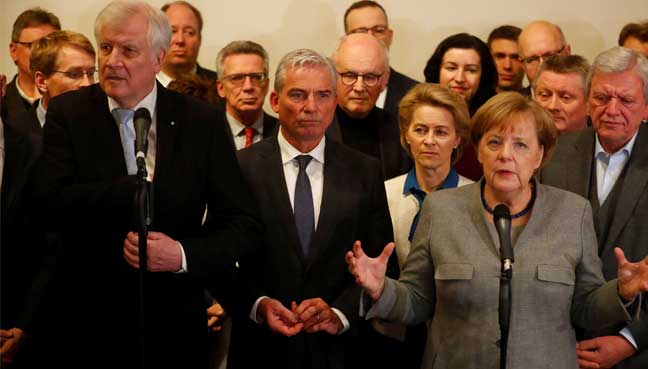
The German government collapsed on Monday after Chancellor Olaf Scholz lost a confidence vote in Parliament, deepening political instability in Europe amid economic and security challenges. This crisis follows the breakdown of Scholz’s three-party coalition in November, leaving him without a majority. Snap elections are now set for February 23, with the conservative Christian Democrats expected to lead. Key issues such as military defense, economic recovery, and immigration will dominate the campaign, with Scholz defending his cautious approach to Ukraine. The fragmentation of Germany’s political landscape, with rising support for extremist parties, raises the prospect of complicated coalition negotiations, likely leading to a return of the grand coalition between the Christian Democrats and the Social Democrats.
- Israel to close embassy in Ireland over ‘extreme anti-Israel policies’ 17.12.2024
Israel announced plans to close its embassy in Ireland, citing what it described as Ireland’s “extreme anti-Israel policies,” including recognition of a Palestinian state. Israeli Foreign Minister Gideon Saar accused Ireland of promoting antisemitic rhetoric and delegitimizing Israel, while Irish leaders expressed regret over the decision, emphasizing the importance of diplomatic communication and adherence to international law. This development comes as Israel reportedly considers further strikes against Iran’s nuclear program amid escalating regional tensions, despite international calls for restraint.
- What Does France’s Political Instability Mean for Europe? – 17.12.2024
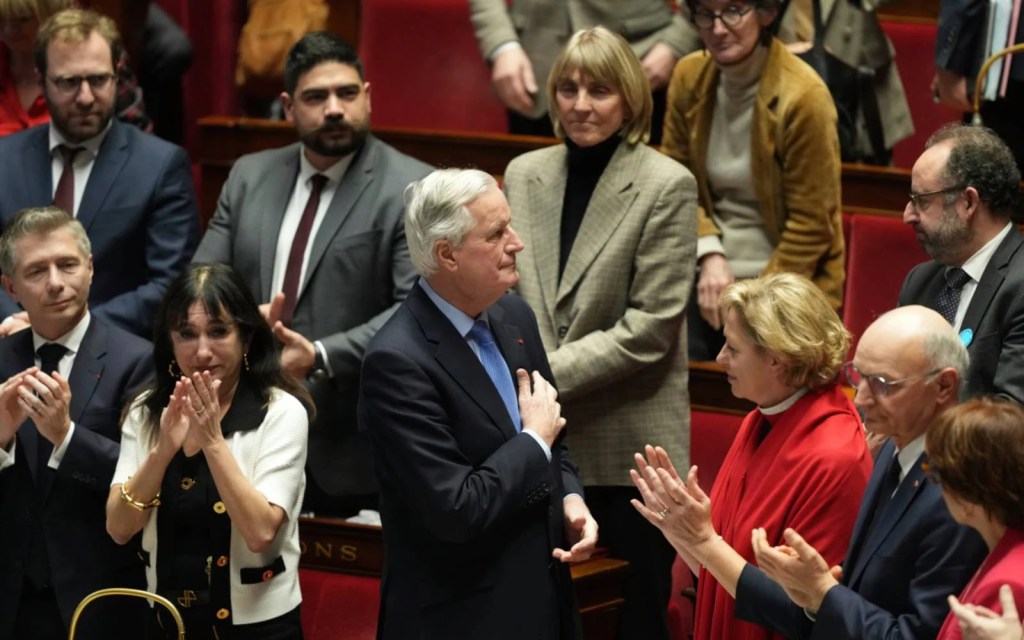
After a significant loss for his centrist Ensemble movement in the June 2024 European Parliament elections, French President Emmanuel Macron called for early legislative elections in an attempt to stabilize the domestic political situation. However, his gamble backfired, resulting in a “hung” National Assembly divided among three roughly equal and incompatible factions. Macron appointed Michel Barnier as prime minister in September, but Barnier failed to gather enough support for his budget, leading to the government’s collapse. In December, Macron appointed François Bayrou, but Bayrou faces the same challenges as Barnier. With France’s growing fiscal deficit and political polarization, the situation is further complicated by a leadership vacuum in both France and Germany, potentially weakening Europe’s role on the world stage.
- China has expanded its nuclear force and strengthened ties to Russia, the Pentagon says – 19.12.2024
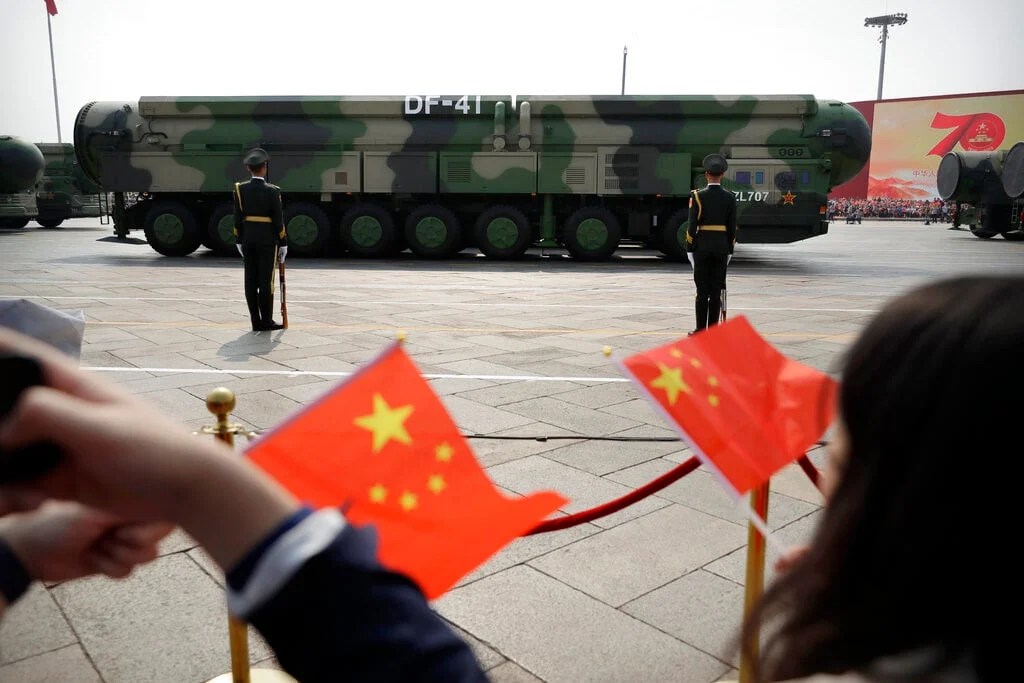
A Pentagon report reveals that China has been expanding its nuclear capabilities, increasing military pressure on Taiwan, and strengthening ties with Russia over the past year. The report highlights China’s progress in developing a more diverse and technologically advanced nuclear force, with over 600 operational warheads as of May, expected to exceed 1,000 by 2030. However, corruption within China’s Central Military Commission, which oversees the People’s Liberation Army (PLA), has slowed some military modernization efforts. The U.S. is concerned about Beijing’s growing military presence near Taiwan and increased military activities in the region. The report also notes China’s support for Russia’s war in Ukraine, including the sale of dual-use items. Despite these developments, the Pentagon acknowledges a decrease in aggressive Chinese military actions, such as unsafe intercepts of U.S. aircraft. The U.S. continues to bolster its military presence in the Asia-Pacific region while pursuing diplomatic engagement with China.
- France to host Syria meeting, cautious on aid, sanctions lifting – 19.12.2024
France announced that it will host an international meeting on Syria in January, with the lifting of sanctions and reconstruction aid being contingent on political and security commitments from Syria’s transitional authority. French diplomats recently met with Syrian officials in Damascus and raised the French flag over the embassy, marking a shift in relations after years of severed ties. The meeting in January will follow a previous one in Jordan and aims to explore the path to a political transition, including the representation of Kurdish forces such as the Syrian Democratic Forces (SDF), which have been key allies in the fight against ISIS. France seeks a political solution that addresses the concerns of all parties, including Turkey’s security issues regarding the PKK.
- US removes long-standing bounty on Syrian rebel leader – 20.12.2024
The United States has lifted the $10 million bounty on Ahmad al-Sharaa, the leader of Hayat Tahrir al-Sham (HTS), following a high-level meeting between US officials and al-Sharaa in Damascus. The decision was described as a policy move in line with addressing critical issues, including terrorism. Al-Sharaa, formerly known as Abu Mohammad al-Jolani, has shown a pragmatic approach in recent discussions, particularly on issues like women’s rights and community equality, though the US remains cautious and will judge his actions rather than his words. The meeting was part of US efforts to engage with Syria’s interim government to prevent a resurgence of ISIS. Additionally, the US delegation focused on securing information about American citizens detained in Syria, such as journalist Austin Tice.
- Mark Burnett, “The Apprentice” creator, tapped by Trump as special envoy to the U.K. – 21.12.2024
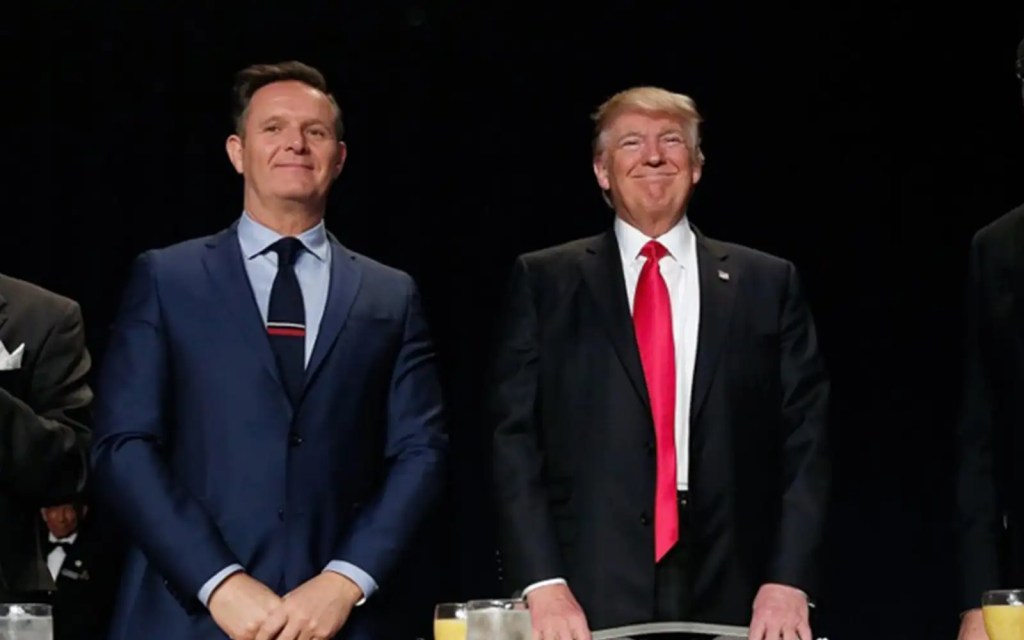
Mark Burnett, the TV producer best known for “The Apprentice,” has been appointed by President-elect Donald Trump to the newly-created role of special envoy to the United Kingdom. Burnett, who was born in London and produced hits like “Survivor” and “The Voice,” played a key role in bringing Trump to national prominence. Though initially considered for the U.S. ambassador to the U.K., his dual nationality complicated the appointment. Burnett’s role as envoy will focus on enhancing diplomatic relations, including trade, investment, and cultural exchanges. This appointment continues Trump’s trend of selecting high-profile figures with TV or political backgrounds for key roles in his administration.
- Children among dozens killed in Israeli strikes, Gaza officials say – 22.12.2024
At least 28 people, including children, have died in Israeli military strikes across Gaza, with a school sheltering displaced families among the facilities hit, according to Gaza’s civil defense agency. Israel claims the school housed a Hamas command center, while the UN and WHO have urged Israel to cease attacks near hospitals, warning of risks to patients and staff. The 14-month conflict, which began with a Hamas-led attack on southern Israel in October 2023, has killed over 45,000 Palestinians, according to Gaza’s health ministry, as both sides face calls for a ceasefire.
- Why Are North Korean Troops in Ukraine Taking Heavy Casualties? 23.12.2024
North Korea, with one of the world’s largest armies, has deployed over 11,000 troops, including its elite “Storm” Corps, to support Russia in its war against Ukraine, marking its first major overseas intervention. These soldiers, lacking experience in modern combat and unfamiliar with drone and trench warfare, have faced significant losses, with over 100 killed and 1,000 wounded early on, according to South Korean intelligence. The deployment is seen as Kim Jong-un’s strategy to gain diplomatic leverage and funds, offering soldiers incentives like cash and elevated social status despite the risks. Analysts highlight Kim’s authoritarian leadership, strict military control, and the involvement of key generals recently sanctioned by the U.S. for their roles in the conflict.
- Europe’s offer to Syria – 23.12.2024
Two weeks after Bashar Assad’s regime fell, Europe is hesitating to seize a strategic opportunity in Syria. The potential return of Syrian refugees and the chance to shape a positive transition under new military ruler Hay’at Tahrir al-Sham (HTS) are at risk due to Europe’s slow response. Europe must act swiftly by offering a significant package to incentivize HTS to evolve toward moderation and stabilization, including political engagement, sanctions relief, and economic support. This proactive approach would present Europe as a key partner over Russia, showcasing its value in promoting democratic governance, refugee returns, and reducing external influence from Iran and Russia. However, Europe must be prepared for challenges, including the possibility of HTS reverting to extremism or factional fighting. A successful transition depends on a Syrian-led process, with Europe providing support without micromanaging. Immediate action, including direct engagement with HTS and economic sanctions relief, is necessary to stabilize the country and prevent further conflict.

- https://www.reuters.com/world/uk/britain-pares-back-secretive-china-strategy-review-seeking-closer-ties-2024-12-16/
- https://www.nytimes.com/2024/12/16/world/europe/germany-confidence-vote-scholz-snap-election.html
- https://nypost.com/2024/12/17/world-news/israel-to-close-embassy-in-ireland-over-anti-israel-policies/?utm_source=chatgpt.com
- https://www.cfr.org/expert-brief/what-does-frances-political-instability-mean-europe
- https://apnews.com/article/china-military-taiwan-corruption-defense-9c1f0e145a250f2b8bd7f6f3dd4b7083
- https://www.reuters.com/world/france-host-syria-meeting-cautious-aid-sanctions-lifting-2024-12-18/
- https://edition.cnn.com/2024/12/20/politics/us-delegation-meets-syrian-rebel-leader/index.html
- https://www.cbsnews.com/news/mark-burnett-the-apprentice-creator-trump-special-envoy-to-the-u-k/
- https://www.bbc.com/news/articles/cz9g4yl8j17o
- https://www.nytimes.com/2024/12/23/world/asia/north-korea-military-russia-what-to-know.html
- https://www.politico.eu/article/europe-offer-syria-fall-bashar-assad-refugees-hts/

Leave a comment