

- Lebanon: Israel and Hezbollah agree to ceasefire brokered by US and France – 26.11.2024
In an agreement brokered by the US and France, Israel and Hezbollah in Lebanon agreed on a 60-day ceasefire that will come into effect on Wednesday. According to the agreement, the Lebanese army will be deployed to the southern regions, Hezbollah’s military presence on the border will end and heavy weapons will be withdrawn north of the Litani River. Israel will gradually withdraw during this process but has stated that it will respond strongly to any violations. A committee consisting of the US, France and other international parties will be formed to monitor the ceasefire, and the Lebanese army will be provided with technical and financial support. While some in Israel have criticized the agreement, they have commented that it shows that a decisive victory has not been achieved against Hezbollah. With the ceasefire, the US and other actors are also expected to initiate a peace process in Gaza.
- Russia’s hybrid war in Europe enters a dangerous new phase – 26.11.2024
Russia aims to undermine Western support for Ukraine and threaten regional security by intensifying its hybrid warfare activities in Europe. The damage to two submarine cables in the Baltic Sea on November 17-18 drew attention as the latest example of suspected sabotage incidents. Sweden determined that the Russian Orthodox Church was involved in activities linked to Russian intelligence in a location close to critical infrastructure in the country, while fires set with explosive packages in Poland, the United Kingdom and Germany were also assessed as similar sabotage attempts. The Kremlin is also targeting water resources in Europe, creating GPS jamming in the Baltic Sea and conducting disinformation campaigns against the Paris Olympics. Although NATO and European governments openly condemn Russia’s activities, they are unable to develop a rapid strategy against hybrid warfare. The fact that critical infrastructure is managed by the private sector and falls under national responsibility makes it difficult to establish a common defense mechanism against such attacks. It is anticipated that the Kremlin will continue this offensive strategy during this period of a new escalation in the Ukraine war.
- 3 Americans detained for years in China have been released, White House announces – 27.11.2024
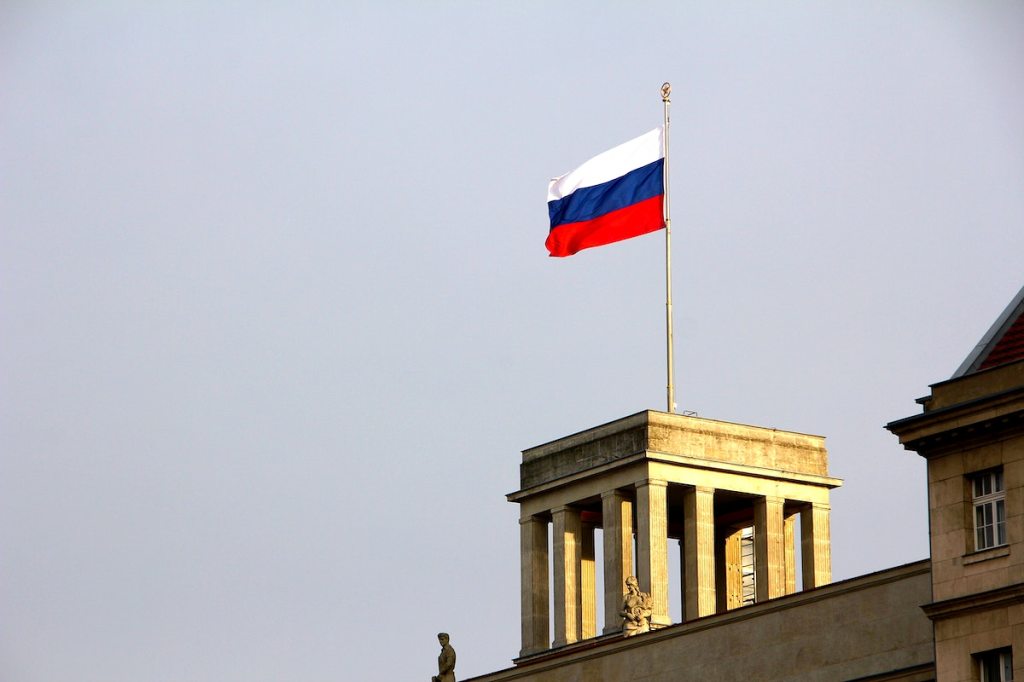
Three American citizens who have been held in China for years, Mark Swidan, Kai Li and John Leung, have been released under a diplomatic agreement and are returning to the United States. Swidan was sentenced to death on drug charges, while Li and Leung were sentenced to long terms in prison on espionage charges. The development is seen as a significant step in U.S.-China relations in the final months of the Biden administration. Their releases are seen as a result of Washington’s efforts to maintain dialogue with Beijing despite tensions over human rights abuses, trade disputes, and Taiwan and the South China Sea. The move was one of the issues discussed in the meeting between Biden and Chinese leader Xi Jinping in recent weeks and is being interpreted as a sign of easing tensions between the two countries.
- Daniel Khalife found guilty of spying for Iran – 28.11.2024
Former British soldier Daniel Khalife has been found guilty of spying for Iran. Khalife, who violated the Official Secrets Act and the Terrorism Act, collected sensitive information while serving in the army and passed it on to Iran. It was reported that he obtained the names of special forces soldiers in particular, and that this information could be life-threatening. Khalife was caught 75 hours after escaping from Wandsworth Prison in 2023 and admitted his escape in court. The prosecution said Khalife had established contact with Iranian intelligence and misused the information he acquired in the army for his own purposes. The court said Khalife will receive a long sentence. The incident has raised concerns in the UK about prison security and threats related to Iran.

- Russian defense minister visits North Korea for talks with military and political leaders – 29.11.2024
Russian Defense Minister Andrei Belousov met with North Korean military and political leaders during his visit to North Korea to discuss expanding military cooperation between the two countries. The visit comes amid growing concerns that North Korea has sent thousands of troops to Russia to support its war in Ukraine and could receive nuclear weapons and military technology in return. Belousov emphasized that the strategic partnership agreement signed by Putin and Kim Jong Un in June aims to maintain the regional balance of power and reduce the risk of war, while North Korean Defense Minister No Kwang Chol described Russia’s war in Ukraine as a just fight. While South Korea is working on countermeasures against North Korea’s military support, the US and its allies have stated that North Korea is violating international sanctions by providing military equipment and support to Russia. Meanwhile, South Korea has lodged a diplomatic protest over the entry of Russian and Chinese warplanes into its air defense zone.
- China promises ‘countermeasures’ to US arms sale to Taiwan – 01.12.2024
China’s Foreign Ministry has reacted strongly to the US approval of $385 million arms sales to Taiwan and Taiwanese leader Lai Ching-te’s visit to Hawaii and Guam. China has reiterated that it views Taiwan as its sovereign territory and opposes any recognition of Taiwan’s democratic government. The sale includes spare parts and radar components for F-16 fighter jets, and China has described the move as sending the wrong message about relations in the Indo-Pacific. The US has provided military and diplomatic support to Taiwan, while China has responded to such contacts with live exercises in the past. The new Trump administration has also signaled that it will maintain strong relations with Taiwan and take a tougher policy towards China.

- Fighting Rages in Syria as Rebels Advance – 01.12.2024
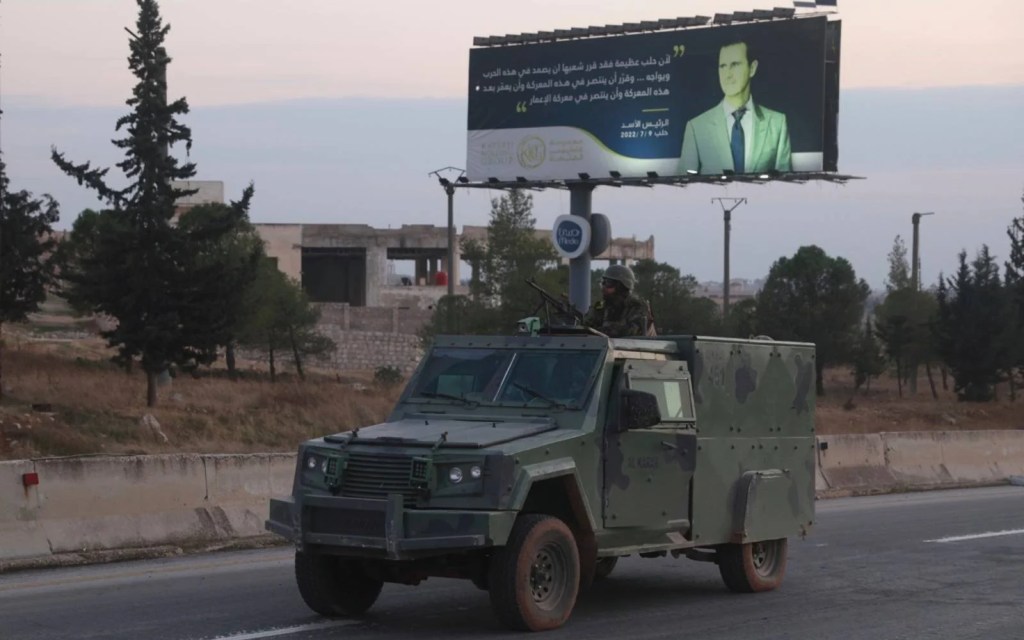
Rebel forces in Syria advanced on Sunday, capturing Aleppo’s airport and attacking Hama’s outskirts amid fierce fighting with government troops loyal to President Bashar al-Assad. The rebels had taken control of much of Aleppo in a surprise offensive the previous day, and now hold significant areas in the provinces of Hama, Idlib, and Aleppo. Government forces, backed by Russian airstrikes, are attempting to push back the rebels, while Syrian warplanes target rebel-held areas, causing civilian casualties. The rebel alliance, led by Hayat Tahrir al-Sham, which was once linked to Al-Qaeda, includes foreign groups. The U.S. expressed concern, emphasizing de-escalation and protection of civilians, while Assad vowed to defeat the rebels. Iran is also showing support for Assad’s government.
- China backing wrong side in Myanmar’s civil war – 01.12.2024
China’s rapid economic and military growth has positioned it as a global superpower, with its Belt and Road Initiative (BRI) playing a central role in this expansion. The Bangladesh-China-India-Myanmar Economic Corridor (BCIM), now known as the China-Myanmar Economic Corridor (CMEC), is crucial to China’s energy security and its broader strategy, particularly in overcoming the “Malacca Dilemma.” However, China’s support for Myanmar’s military junta since the 2021 coup has faced increasing risks. While China has historically balanced support between Myanmar’s military and various ethnic resistance groups, the shifting battlefield dynamics and the junta’s declining popularity could undermine its stability. As the junta’s rule becomes more unpopular, the National Unity Government (NUG), which represents broader domestic support, presents a more stable option. Aligning with the NUG could help China secure long-term trade and investment benefits while improving its global standing, particularly in Southeast Asia.
- https://www.middleeasteye.net/news/israel-approves-ceasefire-deal-lebanon-hezbollah
- https://www.iiss.org/online-analysis/online-analysis/2024/11/russias-hybrid-war-in-europe-enters-a-dangerous-new-phase/
- https://www.pbs.org/newshour/politics/3-americans-detained-for-years-in-china-have-been-released-white-house-announces
- https://www.bbc.com/news/articles/c75lyx9xrp4o
- https://apnews.com/article/north-korea-russia-defense-minister-andrei-belousov-ukraine-5c0f784ef56ab68482113dfe5419b962
- https://www.foxnews.com/politics/china-promises-countermeasures-us-arms-sale-taiwan
- https://www.nytimes.com/2024/12/01/world/middleeast/syria-war-aleppo-rebels-government.html
- https://asiatimes.com/2024/11/china-backing-wrong-side-in-myanmars-civil-war/

Leave a comment